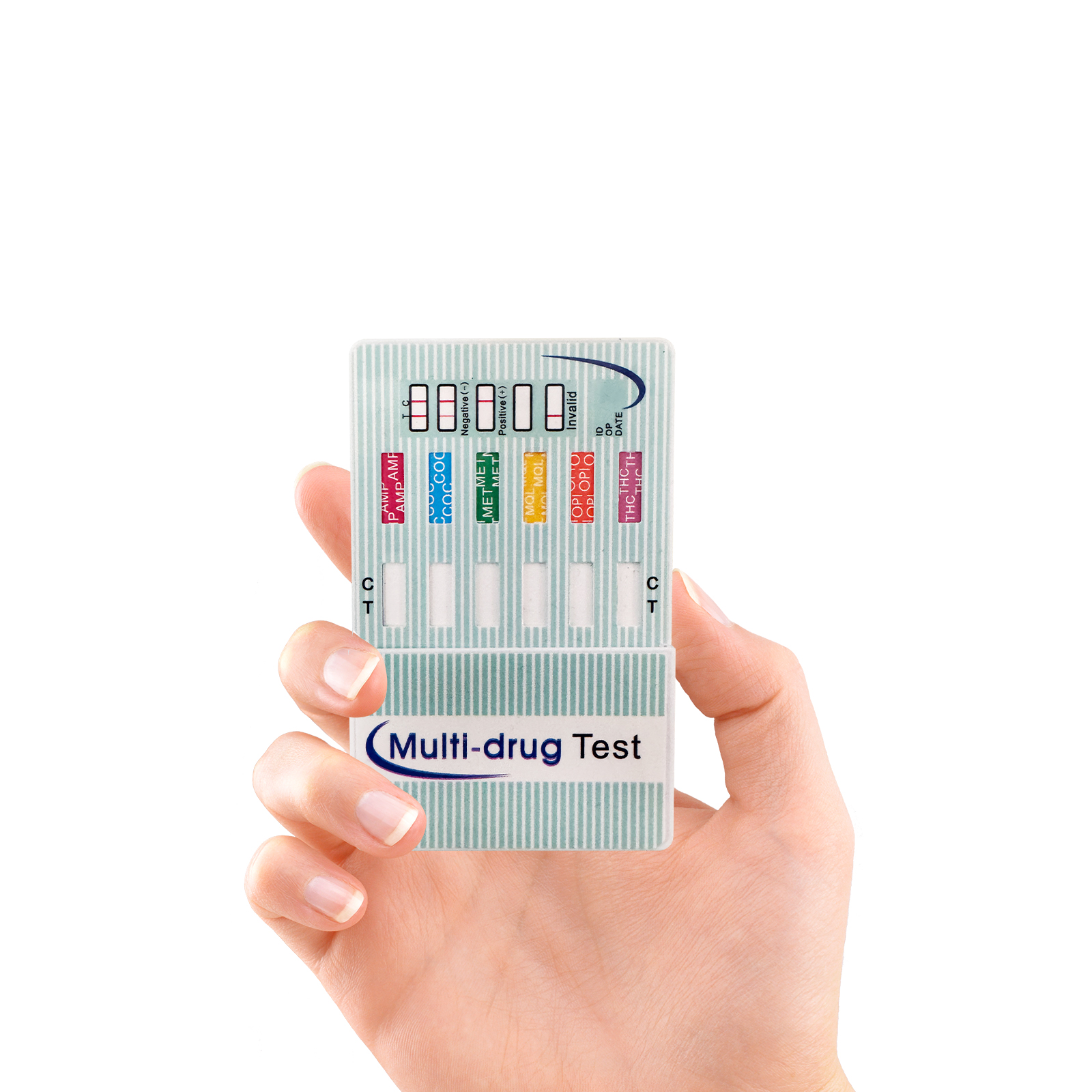
What Are Drugs of Abuse
author: Antonmed
2026-08-02

Drug abuse remains a serious public health issue around the world, affecting individuals, families, workplaces, and communities alike. As concerns over substance misuse continue to grow, so does the demand for fast and reliable drug screening. Today, drug testing is widely used in hospitals, rehabilitation centers, workplace safety programs, pre-employment screening, and law enforcement to support timely decision-making and promote safer environments.
You may have come across the term Drugs of Abuse (DOA) when reading about drug testing or diagnostic products. But what exactly does it mean?
In simple terms, Drugs of Abuse (DOA) are substances that are taken for non-medical or recreational purposes and have the potential to cause addiction, dependence, or harmful physical and psychological effects. Many of these substances can impair judgment, slow reaction times, and affect behavior, increasing the risk of accidents and long-term health problems. For this reason, routine DOA testing has become an essential tool for healthcare providers, employers, and public safety organizations looking to identify substance misuse quickly and accurately.
What Are Drugs of Abuse (DOA)?
Drug abuse remains one of the most pressing public health and social challenges worldwide. According to international health and law enforcement organizations, millions of people are affected by the misuse of illicit drugs and certain prescription medications every year. Beyond the direct impact on individual health, drug abuse can contribute to workplace accidents, impaired driving, reduced productivity, family and social problems, and increased pressure on healthcare and public safety systems.
Drug abuse remains one of the most pressing public health and social challenges worldwide. According to international health and law enforcement organizations, millions of people are affected by the misuse of illicit drugs and certain prescription medications every year. Beyond the direct impact on individual health, drug abuse can contribute to workplace accidents, impaired driving, reduced productivity, family and social problems, and increased pressure on healthcare and public safety systems.
As a result, the demand for reliable drug screening has expanded well beyond hospitals and forensic laboratories. Today, drug of abuse (DOA) testing is widely used in emergency departments, rehabilitation centers, workplace drug testing programs, occupational health services, correctional facilities, schools, and law enforcement agencies. Rapid testing helps professionals make timely decisions while supporting safer environments and more effective clinical management.
If you've come across the term Drugs of Abuse (DOA), you might wonder what it actually means and why it appears so frequently in discussions about healthcare, toxicology, and diagnostic testing.
In simple terms, Drugs of Abuse (DOA) refers to substances that are consumed for non-medical or recreational purposes and have the potential to cause physical dependence, psychological addiction, impaired judgment, or other serious health consequences. These substances may include illegal drugs, as well as certain prescription medications that are misused outside their intended medical purpose. Depending on the substance, misuse can affect the brain, nervous system, behavior, and decision-making ability, increasing the risk of accidents, long-term health complications, and even overdose.
Because many drugs leave detectable metabolites in the body for a period of time after use, healthcare professionals rely on drug of abuse testing to identify recent exposure. Whether the goal is supporting clinical diagnosis, monitoring recovery during substance abuse treatment, meeting workplace compliance requirements, or assisting forensic investigations, DOA testing provides objective information that helps guide appropriate decisions.
Understanding what Drugs of Abuse are—and how they are detected—is the first step toward understanding modern drug screening. In the following sections, we'll explore the most commonly abused substances, explain how DOA tests work, and discuss where these tests are used in real-world healthcare and public safety settings.
What Does DOA Mean in Drug Testing?
Drug abuse remains one of the most pressing public health and social challenges around the world. According to international health organizations, the misuse of illicit drugs and certain prescription medications continues to affect millions of people every year, placing a heavy burden on healthcare systems, workplaces, families, and communities. Beyond the direct impact on individual health, drug abuse is also associated with increased workplace accidents, impaired driving, reduced productivity, and higher risks of crime and substance dependence. As awareness of these issues grows, organizations across different sectors are placing greater emphasis on early detection and effective drug screening.
Today, drug testing is no longer limited to hospitals or forensic laboratories. It has become a routine practice in many settings, including pre-employment screening, occupational health programs, rehabilitation centers, emergency departments, schools, and law enforcement agencies. Rapid drug testing technologies have made it possible to obtain reliable screening results within minutes, allowing professionals to make timely decisions when they matter most.
If you've ever encountered the term Drugs of Abuse (DOA), you might have wondered what it actually means and why it appears so frequently in discussions about drug testing and diagnostic solutions.
In the field of clinical diagnostics, Drugs of Abuse (DOA) is a broad term used to describe substances that are commonly misused for their psychoactive effects rather than for legitimate medical treatment. These substances can alter the way the brain functions, affecting mood, perception, behavior, and decision-making. Repeated misuse may lead to physical dependence, psychological addiction, and a wide range of short- and long-term health complications.
Because of the potential risks associated with these substances, routine drug of abuse testing has become an essential component of modern healthcare and public safety. Whether the goal is to support clinical diagnosis, promote workplace safety, monitor rehabilitation progress, or meet regulatory requirements, accurate and timely drug screening helps organizations identify potential risks and make informed decisions with greater confidence.
As a result, understanding what Drugs of Abuse (DOA) are—and how they are detected—is the first step toward understanding today's drug testing technologies and the important role they play in protecting both individuals and communities.
Drug abuse remains one of the most pressing public health and social challenges around the world. According to international health organizations, the misuse of illicit drugs and certain prescription medications continues to affect millions of people every year, placing a heavy burden on healthcare systems, workplaces, families, and communities. Beyond the direct impact on individual health, drug abuse is also associated with increased workplace accidents, impaired driving, reduced productivity, and higher risks of crime and substance dependence. As awareness of these issues grows, organizations across different sectors are placing greater emphasis on early detection and effective drug screening.
Today, drug testing is no longer limited to hospitals or forensic laboratories. It has become a routine practice in many settings, including pre-employment screening, occupational health programs, rehabilitation centers, emergency departments, schools, and law enforcement agencies. Rapid drug testing technologies have made it possible to obtain reliable screening results within minutes, allowing professionals to make timely decisions when they matter most.
If you've ever encountered the term Drugs of Abuse (DOA), you might have wondered what it actually means and why it appears so frequently in discussions about drug testing and diagnostic solutions.
In the field of clinical diagnostics, Drugs of Abuse (DOA) is a broad term used to describe substances that are commonly misused for their psychoactive effects rather than for legitimate medical treatment. These substances can alter the way the brain functions, affecting mood, perception, behavior, and decision-making. Repeated misuse may lead to physical dependence, psychological addiction, and a wide range of short- and long-term health complications.
Because of the potential risks associated with these substances, routine drug of abuse testing has become an essential component of modern healthcare and public safety. Whether the goal is to support clinical diagnosis, promote workplace safety, monitor rehabilitation progress, or meet regulatory requirements, accurate and timely drug screening helps organizations identify potential risks and make informed decisions with greater confidence.
As a result, understanding what Drugs of Abuse (DOA) are—and how they are detected—is the first step toward understanding today's drug testing technologies and the important role they play in protecting both individuals and communities.
Where Are DOA Tests Commonly Used?
Drug of Abuse (DOA) testing has become an essential part of modern healthcare and public safety. While hospitals remain one of the primary users of rapid drug screening, the demand for DOA testing has expanded far beyond clinical settings. Today, organizations across many industries rely on fast, accurate screening to support medical decisions, maintain workplace safety, comply with regulatory requirements, and reduce potential risks.
Drug of Abuse (DOA) testing has become an essential part of modern healthcare and public safety. While hospitals remain one of the primary users of rapid drug screening, the demand for DOA testing has expanded far beyond clinical settings. Today, organizations across many industries rely on fast, accurate screening to support medical decisions, maintain workplace safety, comply with regulatory requirements, and reduce potential risks.
One of the most common applications is workplace drug testing. Many employers, particularly in transportation, construction, manufacturing, mining, and other safety-sensitive industries, conduct routine or random drug screening to help maintain a safe working environment. Drug testing may also be included in pre-employment screening, allowing companies to meet internal hiring policies or industry compliance standards before a candidate begins work.
In healthcare, hospitals and emergency departments frequently use rapid DOA tests when treating patients with unexplained symptoms such as altered consciousness, overdose, or suspected poisoning. Obtaining preliminary drug screening results within minutes can help clinicians make more informed decisions while additional laboratory testing is underway.
DOA testing is also widely used in rehabilitation centers and addiction treatment programs. Regular screening enables healthcare professionals to monitor treatment progress, support recovery plans, and identify possible relapse at an early stage. Because results are available quickly, care teams can respond promptly and adjust treatment strategies when necessary.
Another important area is law enforcement and forensic investigations. Police agencies, correctional institutions, and forensic laboratories may use drug screening as part of criminal investigations, probation monitoring, custody management, or evidence collection. Although rapid tests are primarily designed for initial screening, they provide valuable information that can guide further laboratory confirmation when required.
Beyond these traditional settings, DOA testing is increasingly adopted in occupational health programs, schools and universities, community health initiatives, and other organizations that require reliable substance screening as part of their risk management or health monitoring processes.
As point-of-care testing (POCT) continues to evolve, rapid DOA test kits have become an increasingly practical solution for on-site drug screening. Compared with conventional laboratory testing, they offer faster turnaround times, simplified workflows, and minimal equipment requirements, making them well suited for situations where timely decisions are important. While positive screening results should be confirmed using appropriate laboratory methods in accordance with local regulations and clinical guidelines, rapid DOA tests remain an indispensable first step in efficient substance abuse screening across a wide range of professional settings.
Understanding Drug Detection Windows
One of the questions people ask most often about drug screening is, "How long do drugs stay in your system?" The answer isn't as straightforward as many expect. There is no single detection window that applies to every substance or every individual.
One of the questions people ask most often about drug screening is, "How long do drugs stay in your system?" The answer isn't as straightforward as many expect. There is no single detection window that applies to every substance or every individual.
A drug detection window refers to the period during which a drug or its metabolites can still be identified in a biological sample after use. This window varies considerably depending on several factors, including the type of drug, the amount consumed, how frequently it is used, an individual's metabolism, age, body composition, hydration level, and the type of specimen being tested. For example, urine, saliva, blood, and hair tests each have different detection capabilities and are used for different clinical or screening purposes.
Among these methods, the urine drug test remains the most widely used for routine drug of abuse (DOA) screening because it is non-invasive, cost-effective, and capable of detecting many commonly abused substances over a practical period of time. In general, many drugs can be detected in urine for anywhere from one to several days after use, while chronic or heavy users may continue to test positive for a significantly longer period. Some substances, such as cannabis (THC), are well known for having longer detection windows in frequent users because drug metabolites can accumulate in body fat and be released gradually over time.
It's also important to understand that a positive drug test does not necessarily indicate current impairment or intoxication. Most rapid drug tests are designed to detect drug metabolites—the substances left behind after the body processes a drug—rather than measuring whether the drug is actively affecting a person's performance or behavior at the time of testing.
Because detection windows differ between substances and individuals, drug test results should always be interpreted alongside clinical information, medication history, and the specific testing protocol being followed. In workplace, clinical, and forensic settings, understanding these limitations helps ensure that screening results are used appropriately and responsibly.
Antonmed specializes in rapid diagnostic technologies and offers a comprehensive portfolio of DOA rapid test kits, including single-panel and multi-panel urine drug tests covering a wide range of commonly abused substances. With advanced manufacturing facilities, strict quality management systems, and flexible OEM/ODM services, Antonmed supports healthcare brands, distributors, laboratories, and institutional buyers in multiple international markets.
Drugs of Abuse (DOA) refers to substances that have the potential to cause dependence, addiction, and significant health or social risks when misused. As awareness of drug abuse continues to grow, rapid and reliable screening has become an essential part of healthcare, workplace safety, rehabilitation, and public security. Understanding the different types of abused drugs, appropriate testing methods, and quality requirements for diagnostic products helps organizations make informed decisions while supporting safer communities.
Urine vs. Blood hCG Tests: What Is the Difference
How Many Times a Day Should You Take an Ovulation Test
Related Article
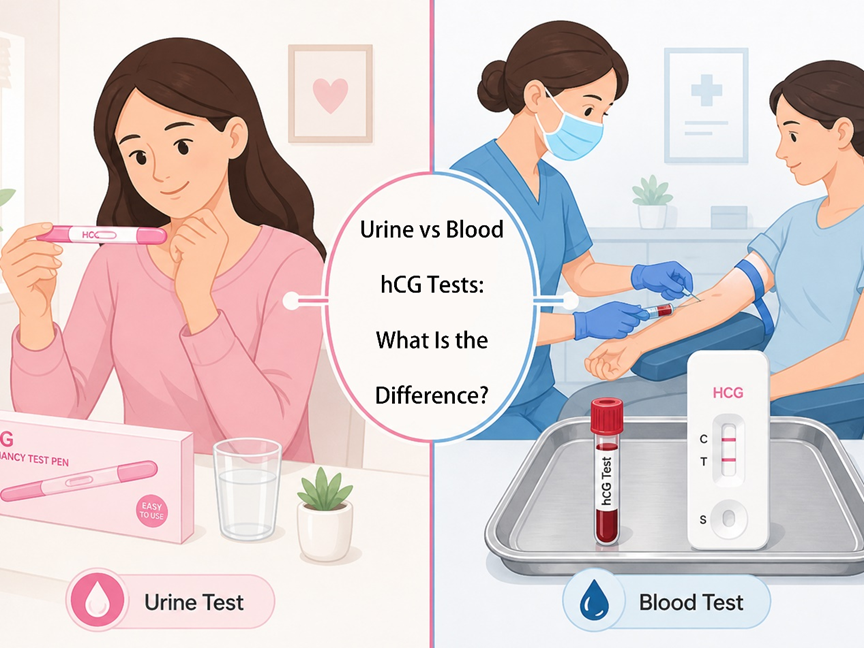
Urine and blood hCG tests both detect human chorionic gonadotropin (hCG), a hormone produced during pregnancy, but they differ in sensitivity, testing methods, timing, and practical use. This article explains the key differences between urine and blood hCG tests and helps readers understand when each testing method may be more appropriate.
Urine vs. Blood hCG Tests: What Is the Difference

Wondering how many times a day you should take an ovulation test? Learn the best testing frequency, when to start using LH ovulation tests, how to avoid missing your LH surge, and tips for improving accuracy. Discover reliable OEM/ODM ovulation test solutions from Antonmed.
How Many Times a Day Should You Take an Ovulation Test