How Urinalysis Dipstick Helps Identify Urinary Tract Infections
author: Antonmed
2026-03-05
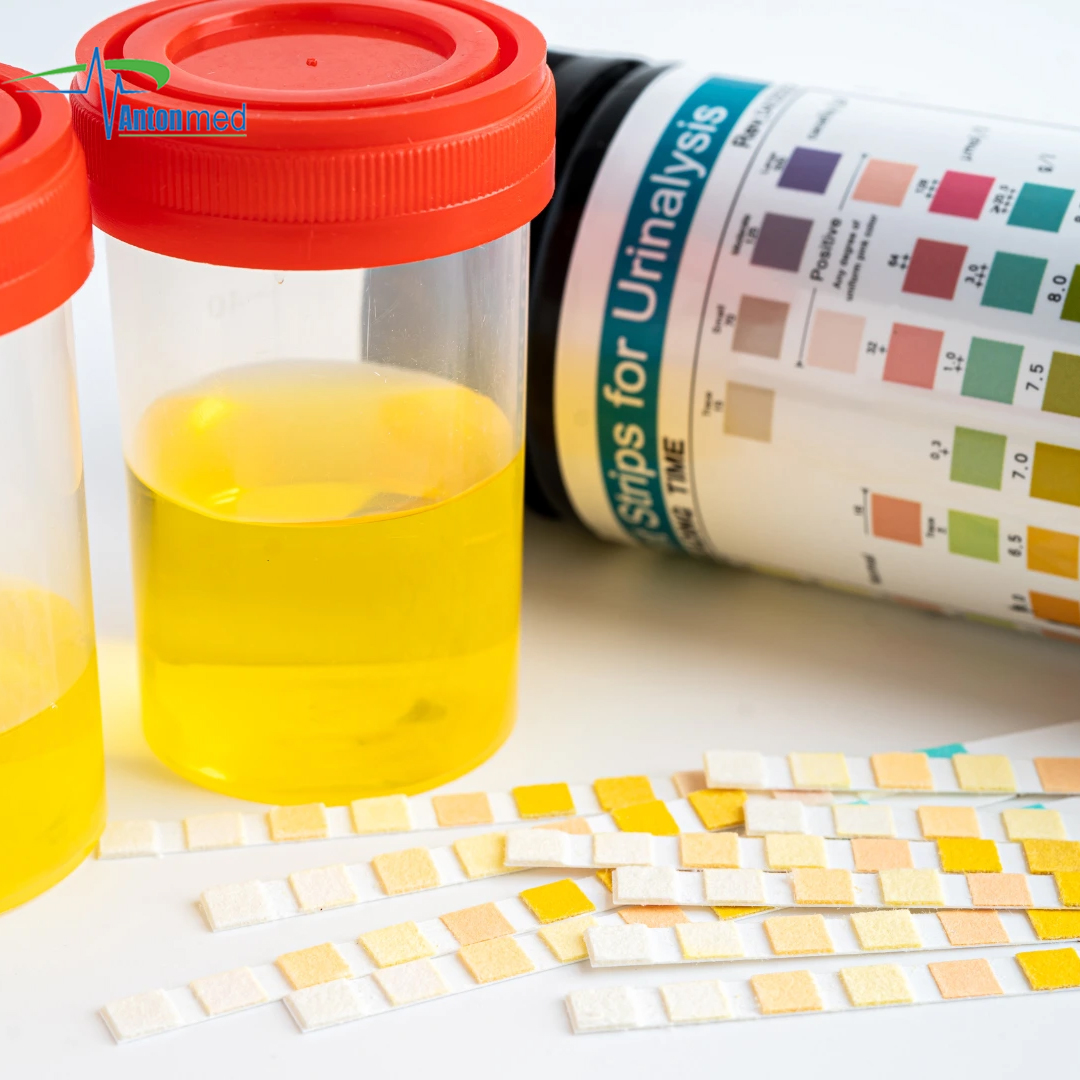
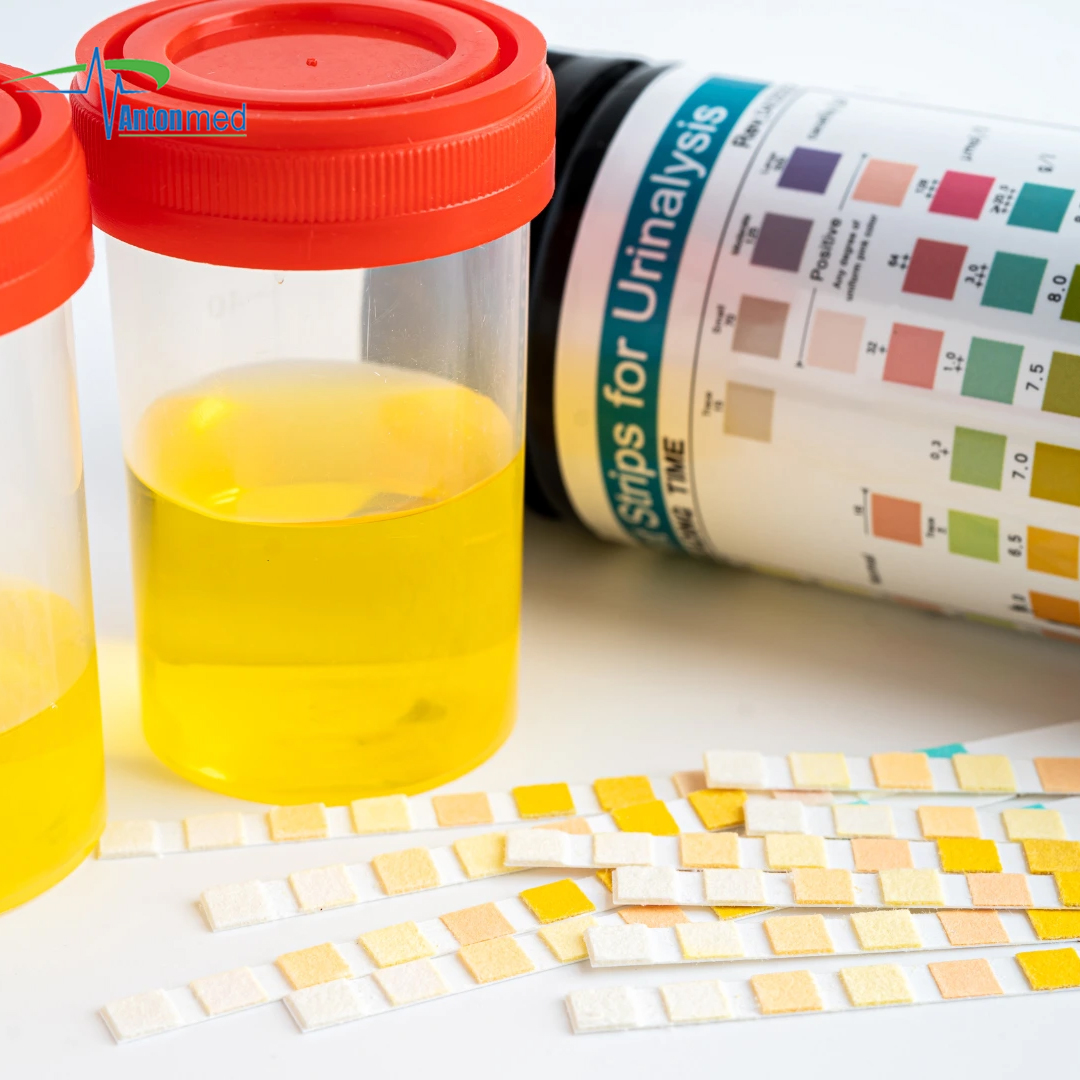
Urinary tract infections (UTIs) are among the most common bacterial infections worldwide. Early detection is important for preventing complications and ensuring timely treatment. Urine test strips for UTI detection are widely used as a fast and convenient screening tool in hospitals, clinics, and home health monitoring. Through urinalysis dipstick technology, these tests can quickly identify signs of infection by measuring several urine strip test parameters.
How Urine Test Strips Detect UTI
Urine test strips for UTI detection work by using urine reagent strips that contain chemical pads. These pads react with substances in urine and produce color changes that indicate abnormal levels.
These reactions help detect key urine strip test parameters associated with urinary tract infections.
In clinical practice, urinalysis dipstick testing is often the first screening step for suspected UTIs.
Urine test strips for UTI detection work by using urine reagent strips that contain chemical pads. These pads react with substances in urine and produce color changes that indicate abnormal levels.
These reactions help detect key urine strip test parameters associated with urinary tract infections.
In clinical practice, urinalysis dipstick testing is often the first screening step for suspected UTIs.
Key Urine Strip Test Parameters for UTI
When using urine test strips for UTI detection, two parameters are particularly important: leukocytes and nitrite.
Leukocytes
Leukocytes indicate the presence of white blood cells in urine. High leukocyte levels often suggest an immune response to infection.
Nitrite
Nitrite is produced when certain bacteria convert nitrate in urine. Positive nitrite results strongly suggest bacterial infection.
Because of these indicators, urine test strips for UTI detection are highly effective for rapid screening.
Advantages of Urinalysis Dipstick for UTI Screening
Using urine test strips for UTI detection has become a common screening method in modern healthcare because it provides fast, simple, and reliable preliminary results. Compared with traditional laboratory testing, urinalysis dipstick testing allows healthcare professionals to quickly identify potential urinary tract infections and make timely clinical decisions.
Rapid results
One of the most important advantages of urine reagent strips is their speed. Most urinalysis dipstick tests can deliver results within 1–2 minutes after the strip is dipped into the urine sample. Parameters such as leukocytes, nitrite, and protein—key indicators related to urinary tract infection—can be visually interpreted through color changes. This rapid turnaround allows doctors and nurses to perform immediate screening during patient consultations.
One of the most important advantages of urine reagent strips is their speed. Most urinalysis dipstick tests can deliver results within 1–2 minutes after the strip is dipped into the urine sample. Parameters such as leukocytes, nitrite, and protein—key indicators related to urinary tract infection—can be visually interpreted through color changes. This rapid turnaround allows doctors and nurses to perform immediate screening during patient consultations.
Easy operation
Another major benefit is the simplicity of the testing process. Urine reagent strips require minimal equipment and can be used with only a urine sample container and a timer. The testing procedure typically involves dipping the strip into the urine, removing excess liquid, and comparing the color reaction with a reference chart. Because the operation is straightforward, urine test strips for UTI detection are suitable for hospitals, clinics, laboratories, and even home monitoring.
Another major benefit is the simplicity of the testing process. Urine reagent strips require minimal equipment and can be used with only a urine sample container and a timer. The testing procedure typically involves dipping the strip into the urine, removing excess liquid, and comparing the color reaction with a reference chart. Because the operation is straightforward, urine test strips for UTI detection are suitable for hospitals, clinics, laboratories, and even home monitoring.
Cost-effective screening
Compared with full laboratory urinalysis, urinalysis dipstick testing is a highly cost-effective solution. The affordability of urine reagent strips allows healthcare providers to conduct large-scale screening programs, especially in primary care settings, community health centers, and developing regions. This helps detect potential infections early while reducing the burden on laboratory resources.
Compared with full laboratory urinalysis, urinalysis dipstick testing is a highly cost-effective solution. The affordability of urine reagent strips allows healthcare providers to conduct large-scale screening programs, especially in primary care settings, community health centers, and developing regions. This helps detect potential infections early while reducing the burden on laboratory resources.
Because of these advantages—rapid results, easy operation, and cost efficiency—urine test strips for UTI detection are widely used in hospitals, diagnostic laboratories, nursing homes, and home care environments. As a result, urinalysis dipstick testing has become an essential first-line tool for urinary tract infection screening worldwide.
The performance of urine test strips for UTI detection largely depends on the manufacturing quality of the test strips. Therefore, choosing a reliable urinalysis strips manufacturer is essential for healthcare providers, distributors, and diagnostic brands that require consistent and accurate screening results. High-quality urine reagent strips must deliver stable reactions across multiple urine strip test parameters, ensuring reliable detection of indicators such as leukocytes, nitrite, protein, and other important markers associated with urinary tract infections.
A professional urinalysis strips manufacturer should operate under strict quality control systems, maintain standardized production environments, and provide validated performance data for each batch of urine reagent strips. Consistent reagent formulation, precise coating technology, and rigorous stability testing are critical to maintaining the accuracy of different urine strip test parameters during storage and transportation.
As an experienced urinalysis strips manufacturer, Anton Medical demonstrates strong manufacturing capability and quality management in the field of in vitro diagnostics. The company operates modern production facilities equipped with advanced automated manufacturing lines and follows internationally recognized quality standards. With certifications such as ISO-compliant quality systems and strong OEM/ODM service capability, Anton Medical provides reliable urine reagent strips and customized urinalysis dipstick solutions for global partners. By combining stable product performance with dependable supply capacity, Anton Medical helps healthcare institutions and distributors achieve accurate and efficient UTI screening worldwide.
In summary, urine test strips for UTI detection are essential tools for rapid screening of urinary tract infections. Through urinalysis dipstick technology, urine reagent strips can quickly identify key urine strip test parameters such as leukocytes and nitrite.
These tests provide fast, convenient, and cost-effective diagnostic solutions for healthcare professionals worldwide.
These tests provide fast, convenient, and cost-effective diagnostic solutions for healthcare professionals worldwide.
Urinalysis Dipstick vs Laboratory Urine Test: Which Is More Accurate?
Related Article
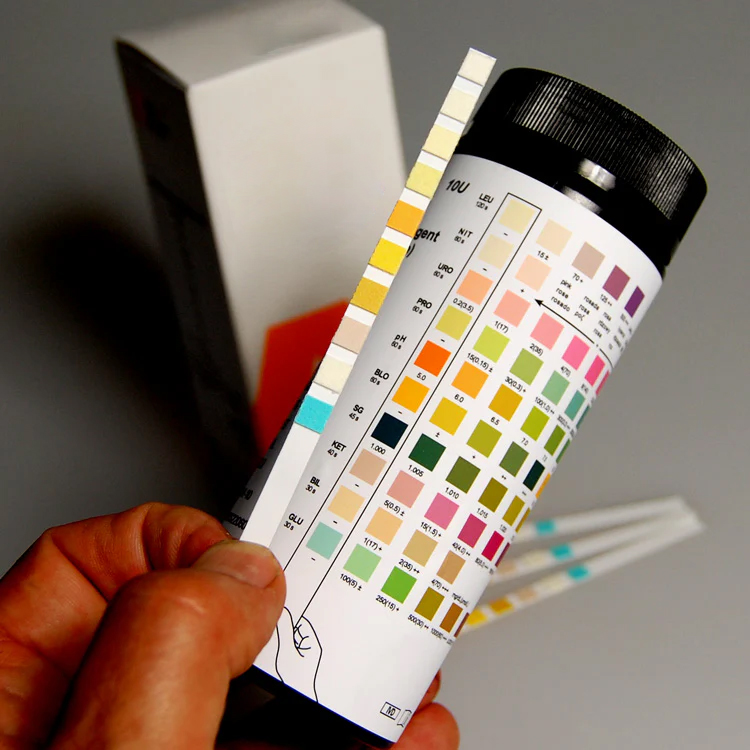
Compare urinalysis dipstick testing with laboratory urine tests. Learn how urine reagent strips work, what urine strip test parameters detect, and how a reliable urinalysis strips manufacturer ensures testing accuracy.
Urinalysis Dipstick vs Laboratory Urine Test: Which Is More Accurate?

Learn how 10 parameter urine test strips work and what urinalysis dipstick test parameters detect. Discover how urine reagent strips help screen for infections, kidney disease, and metabolic disorders.
10 Parameter Urine Test Strips Explained