
10 Parameter Urine Test Strips Explained
author: Antonmed
2026-03-05

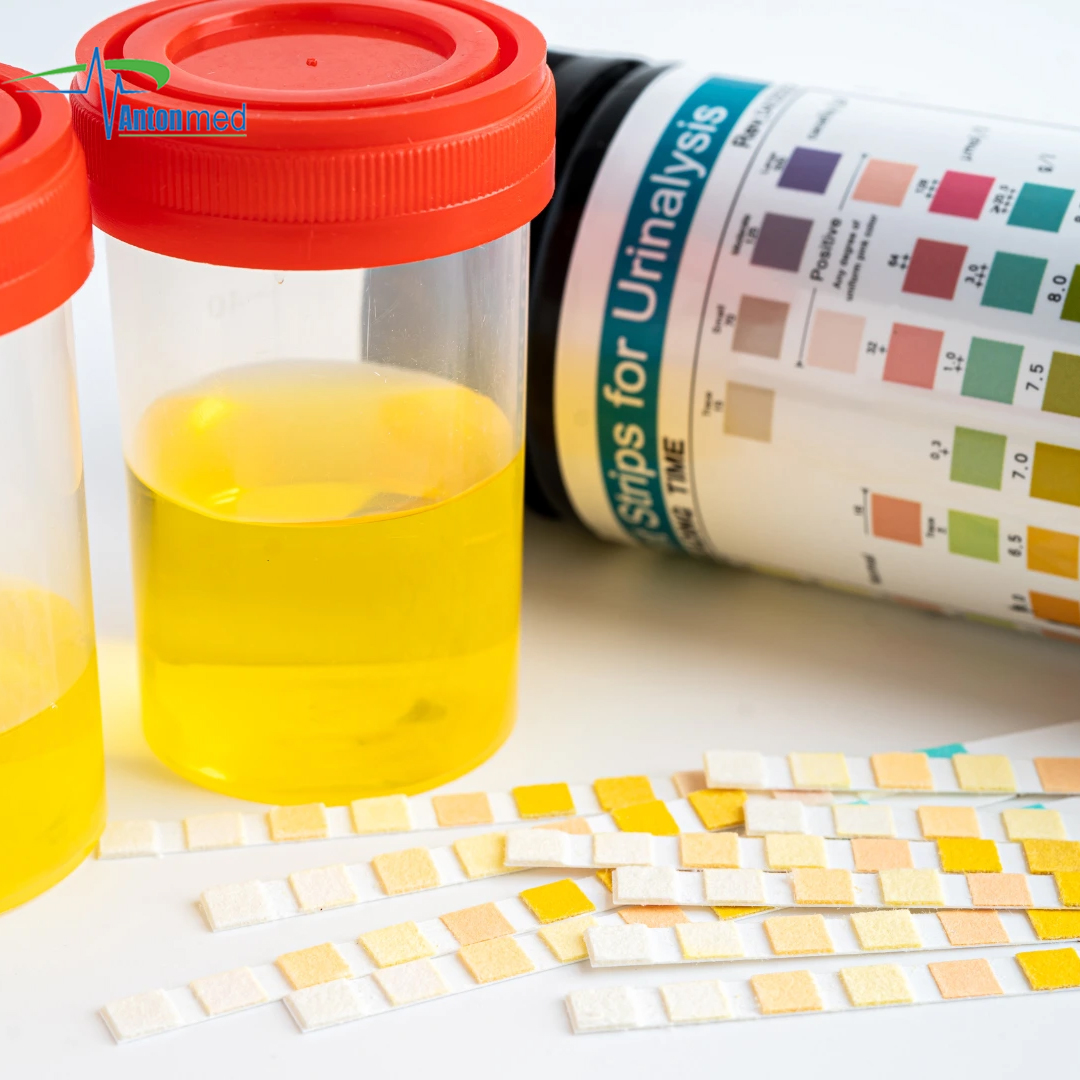
10 parameter urine test strips are widely used diagnostic tools for routine urinalysis testing. These multi-parameter urinalysis dipstick tests allow healthcare professionals to detect multiple biomarkers in urine quickly and efficiently.
Modern urine reagent strips are designed to measure several urine strip test parameters simultaneously, providing important information about kidney health, metabolic conditions, and urinary tract infections.
Modern urine reagent strips are designed to measure several urine strip test parameters simultaneously, providing important information about kidney health, metabolic conditions, and urinary tract infections.
What Are 10 Parameter Urine Test Strips?
10 parameter urine test strips are medical diagnostic strips that test ten different chemical indicators in urine. These strips are a type of urinalysis dipstick commonly used in hospitals, laboratories, and clinics.
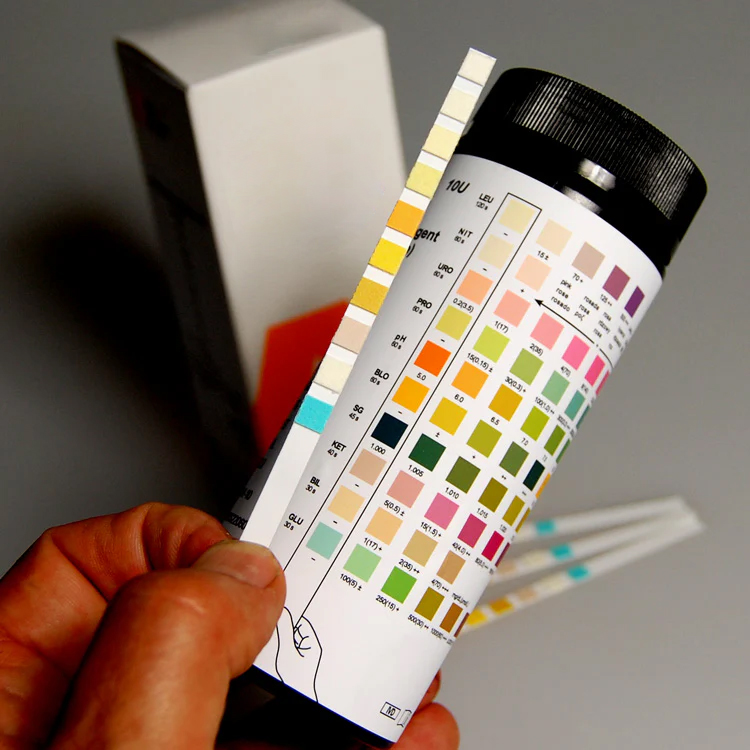
Each strip contains multiple reagent pads coated with chemicals. When dipped into urine, the pads react with specific substances and change color.
These reactions allow urine reagent strips to quickly detect different urine strip test parameters.
10 parameter urine test strips are medical diagnostic strips that test ten different chemical indicators in urine. These strips are a type of urinalysis dipstick commonly used in hospitals, laboratories, and clinics.
Each strip contains multiple reagent pads coated with chemicals. When dipped into urine, the pads react with specific substances and change color.
These reactions allow urine reagent strips to quickly detect different urine strip test parameters.
What Do 10 Parameter Urine Test Strips Detect?
Many people ask what do 10 parameter urine test strips detect. A standard 10 parameter urine test strips panel typically measures the following biomarkers.
1. Leukocytes
Leukocytes may indicate urinary tract infections. Detecting leukocytes is an important function of urinalysis dipstick testing.
Leukocytes may indicate urinary tract infections. Detecting leukocytes is an important function of urinalysis dipstick testing.
2. Nitrite
Nitrite helps detect bacteria in the urinary system.
Nitrite helps detect bacteria in the urinary system.
3. Urobilinogen
Urobilinogen levels can indicate liver disease or hemolytic disorders.
Urobilinogen levels can indicate liver disease or hemolytic disorders.
4. Protein
Protein in urine may indicate kidney damage.
Protein in urine may indicate kidney damage.
5. pH Level
Urine pH measures acidity or alkalinity.
Urine pH measures acidity or alkalinity.
6. Blood
Blood in urine may suggest infection, kidney stones, or trauma.
7. Specific Gravity
Specific gravity measures urine concentration and hydration status.
Blood in urine may suggest infection, kidney stones, or trauma.
7. Specific Gravity
Specific gravity measures urine concentration and hydration status.
8. Ketones
Ketones may appear in diabetes or fasting conditions.
Ketones may appear in diabetes or fasting conditions.
9. Bilirubin
Bilirubin may indicate liver or bile duct problems.
Bilirubin may indicate liver or bile duct problems.
10. Glucose
Glucose detection helps screen for diabetes.
Glucose detection helps screen for diabetes.
Advantages of 10 Parameter Urine Test Strips
10 parameter urine test strips are popular because they provide fast and comprehensive screening.
Key advantages include the following:
Rapid testing within minutes
Multiple urine strip test parameters in one strip
Easy operation without complex equipment
Cost-effective screening
Rapid testing within minutes
Multiple urine strip test parameters in one strip
Easy operation without complex equipment
Cost-effective screening
Because of these benefits, urine reagent strips are widely used in hospitals, laboratories, and home health testing.
In summary, 10 parameter urine test strips are essential diagnostic tools used in modern healthcare. Through urinalysis dipstick technology, these urine reagent strips can measure multiple urine strip test parameters to detect infections, kidney disease, metabolic disorders, and other health conditions.
Urinalysis Dipstick vs Laboratory Urine Test: Which Is More Accurate?
What Do Urine Test Strips Detect?
Related Article
Learn how urine test strips help detect urinary tract infections (UTI). Discover how urinalysis dipstick and urine reagent strips identify key urine strip test parameters such as leukocytes and nitrite.
How Urinalysis Dipstick Helps Identify Urinary Tract Infections
Compare urinalysis dipstick testing with laboratory urine tests. Learn how urine reagent strips work, what urine strip test parameters detect, and how a reliable urinalysis strips manufacturer ensures testing accuracy.
Urinalysis Dipstick vs Laboratory Urine Test: Which Is More Accurate?