
How to Choose the Right Digital Radiography Machine
author: Antonmed
2025-11-19
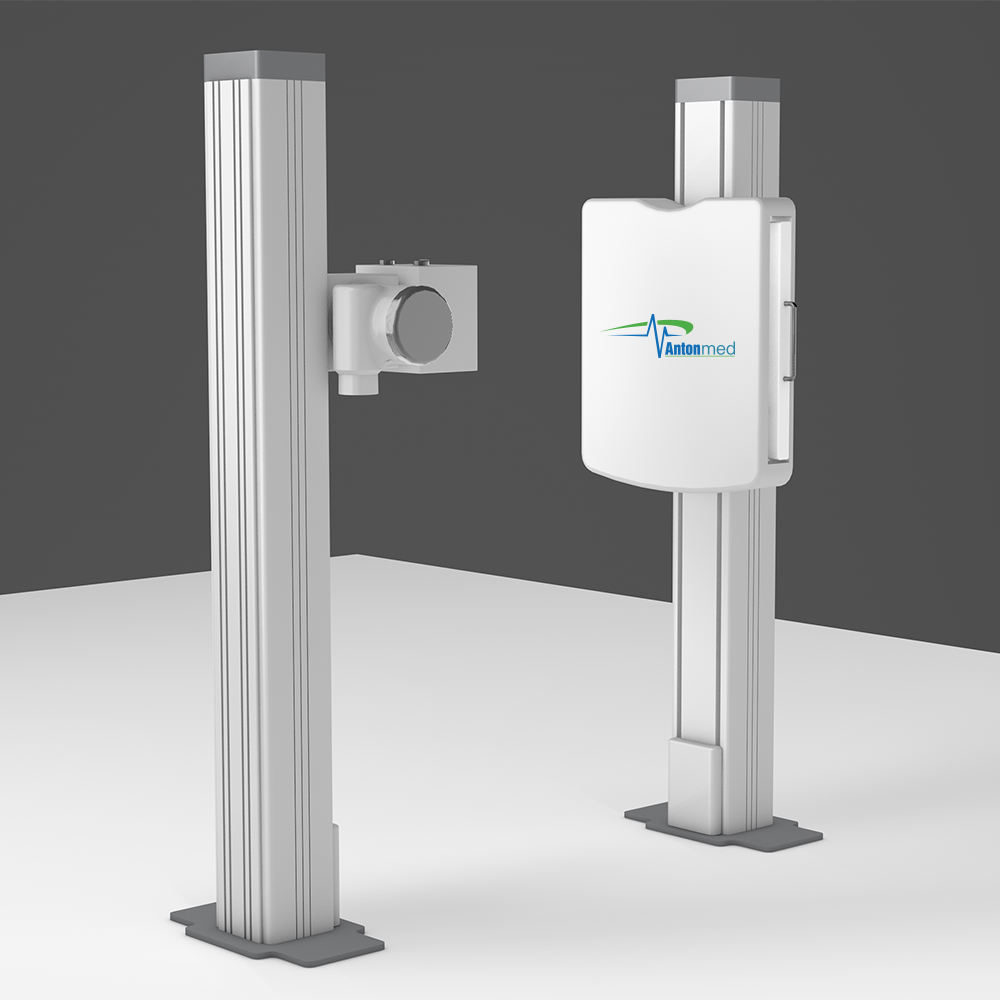
What is a Digital Radiography Machine?
A Digital Radiography machine is an X‑ray imaging device that captures images through a digital flat‑panel detector. Instead of processing film or scanning cassettes, DR systems produce high‑resolution images almost instantly, enabling faster diagnosis and improved workflow.
A Digital Radiography machine is an X‑ray imaging device that captures images through a digital flat‑panel detector. Instead of processing film or scanning cassettes, DR systems produce high‑resolution images almost instantly, enabling faster diagnosis and improved workflow.
Main Types of Digital Radiography Systems
Image Resolution & Pixel Matrix
Radiation Dose Efficiency
Imaging Software & AI Functions
High‑performance DR systems suitable for hospitals, clinics, and distributors
Competitive pricing for international buyers
OEM/ODM service for branding and customization
Global shipping and technical support
Different medical environments require different DR configurations. Understanding each type helps you make the right purchasing decision.
1. Floor‑Mounted or Ceiling‑Mounted DR Systems
These systems are designed for radiography rooms with medium‑to‑high patient volume. They offer automated positioning, stable imaging performance, and advanced software tools.
2. Mobile Digital Radiography Units
Mobile DR units deliver bedside imaging for emergency, ICU, and isolation environments. They are designed for easy movement, quick exposure, and low-dose image acquisition.
3. DR Retrofit Panels (Upgrade Kits)
Retrofit DR detectors allow clinics to convert older analog or CR systems into digital imaging units without replacing the entire X‑ray setup.
Important Features to Consider Before Buying a DR Machine
When evaluating DR equipment, these key specifications determine performance, durability, and long‑term value.
Detector Material & Scintillator Type
1. CsI (Cesium Iodide) for high image clarity
2. GOS (Gadolinium Oxysulfide) for cost‑effective performance
Image Resolution & Pixel Matrix
Higher resolution improves diagnostic confidence, especially for orthopedics and thoracic imaging.
Radiation Dose Efficiency
Modern DR panels are designed to produce diagnostic-quality images with minimum radiation exposure.
Imaging Software & AI Functions
Good software improves workflow efficiency, supports advanced image processing, and connects with PACS/RIS.
Clinical Applications of Digital Radiography
x ray digital radiography are widely used across medical disciplines:
General radiology – chest, spine, and abdominal imaging
Orthopedic imaging – fractures, joints, extremities
Emergency medicine – trauma, bedside exams
Pediatrics – low-dose imaging for sensitive patients
x ray digital radiography are widely used across medical disciplines:
General radiology – chest, spine, and abdominal imaging
Orthopedic imaging – fractures, joints, extremities
Emergency medicine – trauma, bedside exams
Pediatrics – low-dose imaging for sensitive patients
Benefits of Using Digital Radiography Machines
Digital Radiography offers several advantages that make it the preferred imaging method for modern facilities.
Faster Patient Throughput
Images appear in seconds, reducing wait times and increasing daily exam capacity.
Lower Maintenance Costs
No film, chemicals, or repeated processing steps.
Improved Diagnostic Accuracy
Higher contrast, advanced post‑processing, and AI algorithms enhance visibility of anatomical details.
Easy Storage & Data Sharing
Images can be archived, retrieved, and transferred instantly.
Why Partner With Us for DR Solutions?
As a professional medical device manufacturer and supplier, we provide:
As a professional medical device manufacturer and supplier, we provide:
High‑performance DR systems suitable for hospitals, clinics, and distributors
Competitive pricing for international buyers
OEM/ODM service for branding and customization
Global shipping and technical support
How to Choose the Right Hospital Bed?
Choosing the Right Ultrasound Machine for a Hospital
Related Article

Learn how urine test strips help detect urinary tract infections (UTI). Discover how urinalysis dipstick and urine reagent strips identify key urine strip test parameters such as leukocytes and nitrite.
How Urinalysis Dipstick Helps Identify Urinary Tract Infections
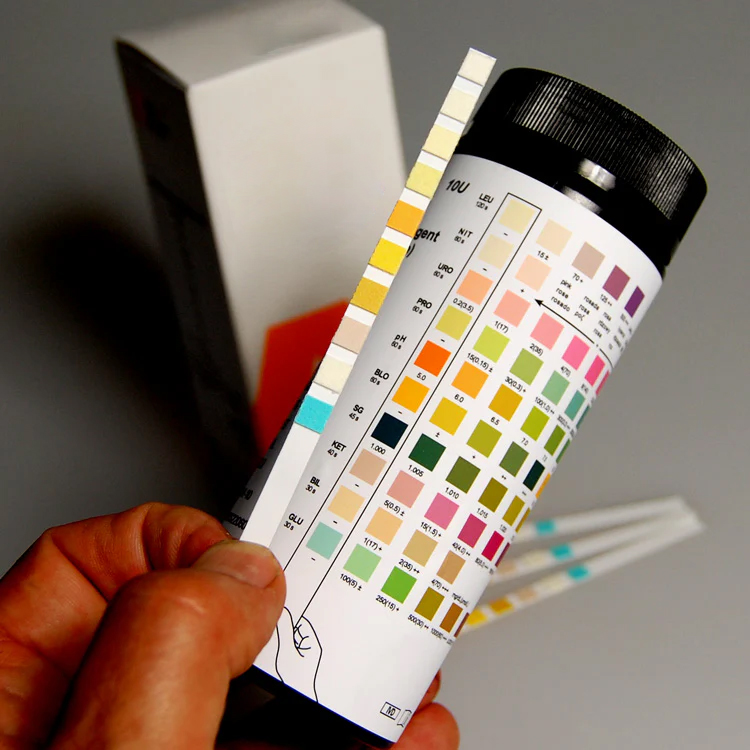
Compare urinalysis dipstick testing with laboratory urine tests. Learn how urine reagent strips work, what urine strip test parameters detect, and how a reliable urinalysis strips manufacturer ensures testing accuracy.
Urinalysis Dipstick vs Laboratory Urine Test: Which Is More Accurate?

