Which Rapid Test Should You Choose?
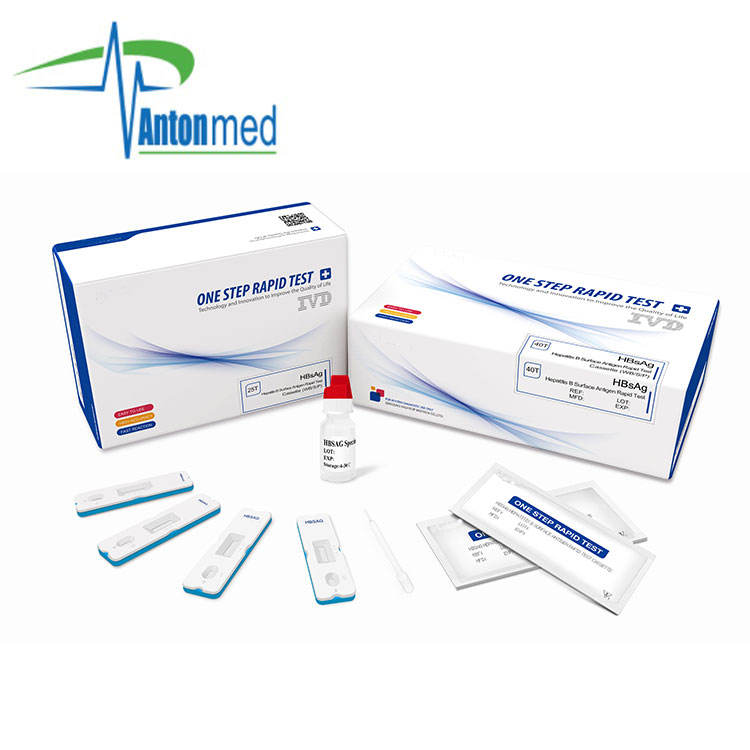
Rapid tests play a critical role in modern diagnostics by providing fast, convenient, and cost-effective results. From infectious disease screening to home self-testing, rapid diagnostic tests are now widely used in healthcare systems worldwide.
However, not all rapid tests are designed for the same purpose. Choosing the wrong type of rapid test may result in inaccurate results, delayed diagnosis, or unnecessary costs. Understanding the differences between various rapid tests is essential before making a decision.
A rapid test, also known as a rapid diagnostic test (RDT), is designed to detect specific antigens, antibodies, genes, or biomarkers within minutes. These tests usually do not require complex laboratory equipment and can be performed at the point of care.
Compared with laboratory-based tests such as PCR or ELISA, rapid tests offer faster results, easier operation, and greater flexibility, making them ideal for screening and on-site testing.
2.1 Rapid Antigen Test
Rapid antigen tests detect specific proteins from pathogens. They are commonly used for early screening of infectious diseases such as COVID-19, Influenza, and Strep A. These tests provide fast results and are ideal for large-scale screening.
2.2 Rapid Antibody Test
Rapid antibody tests detect IgM and IgG antibodies in blood, indicating past infection or immune response. These tests are widely used for epidemiological studies, immunity assessment, and disease history analysis.
2.3 Rapid Molecular Test
Rapid molecular tests detect genetic material such as DNA or RNA. They offer higher sensitivity and specificity than antigen tests and are suitable when diagnostic accuracy is critical.
2.4 Multi-Panel Rapid Test
Multi-panel rapid tests can detect multiple pathogens or markers in one test, making them ideal for differential diagnosis and comprehensive screening.
3.1 Purpose of Testing
Define whether the test is for screening, diagnosis, or monitoring. Screening tests prioritize speed, while diagnostic tests prioritize accuracy.
3.2 Target Disease or Marker
Different tests are designed for infectious diseases, drugs of abuse, hormones, or cardiac markers. Always match the test type with the target analyte.
3.3 Testing Environment
Consider where the test will be used: home, clinic, hospital, or field testing. Environmental conditions and operator skill level matter.
3.4 Accuracy & Sensitivity Requirements
For quick screening, antigen tests may be sufficient. For confirmatory diagnosis, molecular tests are recommended.
4. How to Choose the Right Rapid Test for Your Needs
Selecting the right rapid test depends on several key factors. Understanding your testing purpose, target marker, usage environment, and accuracy requirements will help ensure reliable results and cost-effective performance.
4.1 Purpose of Testing
The first step in choosing a rapid test is to clearly define its purpose. Rapid tests can be used for screening, diagnosis, or long-term monitoring. Screening tests focus on speed and ease of use, allowing large populations to be tested quickly. Diagnostic tests, on the other hand, require higher accuracy and specificity to support clinical decision-making. Monitoring tests are often used for follow-up testing or trend observation over time.
4.2 Target Disease or Marker
Different rapid tests are designed to detect different targets, such as infectious disease antigens, antibodies, drugs of abuse, hormones, or cardiac markers. Choosing a test that matches the target analyte is critical. Using the wrong test type may lead to false results or misinterpretation. Always confirm the intended target and detection principle before selection.
4.3 Testing Environment
The testing environment has a significant impact on rapid test selection. Home self-testing requires simple operation and clear result interpretation. Clinics and hospitals may require higher throughput and compatibility with existing workflows. Field testing and emergency use demand portability, durability, and stable performance under varying environmental conditions. Operator skill level should also be considered.
4.4 Accuracy & Sensitivity Requirements
Accuracy and sensitivity requirements vary depending on the application. For rapid screening, antigen tests are often sufficient due to their speed and convenience. However, for confirmatory diagnosis or critical medical decisions, molecular rapid tests with higher sensitivity and specificity are recommended. Balancing accuracy and turnaround time is key to optimal test selection.
5. Rapid Test Applications by Industry
Healthcare & Hospitals
Hospitals and healthcare facilities are the primary users of rapid tests. Rapid diagnostic tests are widely used for initial screening, emergency diagnosis, and patient triage. In busy clinical environments, rapid tests help doctors make timely decisions, reduce waiting time, and improve overall treatment efficiency. Common applications include infectious disease screening, cardiac marker detection, and hormone testing.
Clinics & Diagnostic Centers
Clinics and independent diagnostic centers rely on rapid tests to provide fast and affordable diagnostic services. Rapid tests require minimal equipment and training, making them ideal for outpatient settings. They are commonly used for routine checkups, infectious disease screening, and follow-up testing.
Pharmacies & Retail Healthcare
Pharmacies increasingly offer rapid testing services, especially for infectious diseases and self-testing products. Rapid tests enable pharmacists to support early detection and health monitoring while also expanding value-added healthcare services.
Public Health & Government Programs
Public health authorities use rapid tests for large-scale screening, disease surveillance, and outbreak control. Rapid testing plays a key role in border control, community testing programs, and emergency response situations due to its speed and scalability.
Workplace & Occupational Health
Rapid tests are widely adopted in workplaces to ensure employee health and safety. They are commonly used for drug screening, infectious disease prevention, and routine health monitoring, helping companies maintain a safe and compliant working environment.
Home Self-Testing & Personal Health
Home self-testing is one of the fastest-growing segments of the rapid test market. Rapid tests allow individuals to monitor their health privately and conveniently, covering areas such as fertility, infectious diseases, and chronic condition management.
Emergency & Field Testing
In emergency situations and remote areas, rapid tests are essential due to their portability and fast results. They are commonly used in disaster relief, mobile clinics, military medicine, and field epidemiology.
6. Why Work with a Professional Rapid Test Supplier
Choosing a professional rapid test supplier is not only about purchasing products—it is about ensuring long-term reliability, regulatory compliance, and sustainable business growth. An experienced manufacturer can provide consistent quality, technical expertise, and strong after-sales support that go far beyond basic supply.
Antonmedical has years of experience in rapid diagnostic product development and manufacturing. With a complete production system and strict quality control processes, Antonmedical ensures stable performance and batch-to-batch consistency for all rapid test kits. Our manufacturing capability supports both large-volume supply and customized production.
Antonmedical offers a wide range of rapid test solutions, including infectious disease tests, hormone tests, drugs of abuse test kits, and multi-panel combination tests. This comprehensive product portfolio allows partners to meet diverse market demands with one reliable supplier.
Antonmedical provides flexible OEM and ODM services, including customized branding, packaging, instructions for use, and test configurations. This enables distributors and brand owners to quickly build their own product lines and strengthen market competitiveness.
By working with Antonmedical, partners gain more than a rapid test supplier—they gain a long-term partner committed to quality, innovation, and market success. Choosing the right rapid test requires understanding test types, applications, accuracy requirements, and regulatory standards. With the right partner, rapid testing becomes more reliable and efficient.
When Is the hCG Rapid Test Most Accurate?
What is Hematology Analyzer?
Related Article