
What is an HIV Rapid Test Kit?
author: Antonmed
2025-11-30
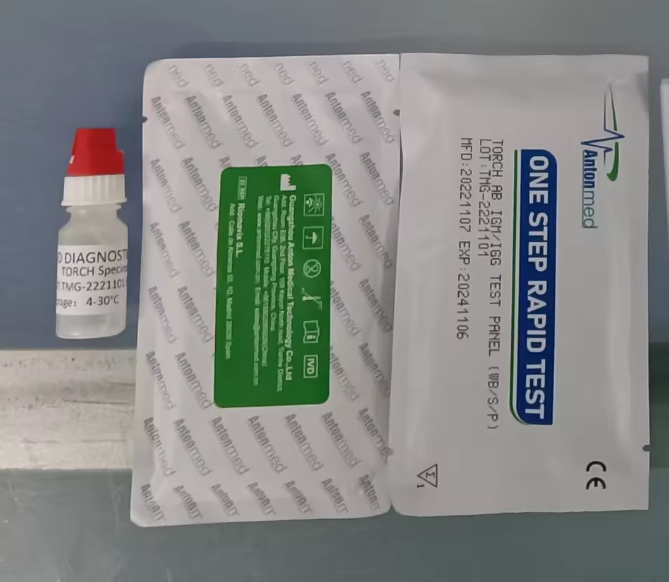
What is an HIV Rapid Test Kit?
An HIV rapid test kit is a diagnostic device that detects HIV antibodies or antigens in a small blood sample or oral fluid. Unlike traditional laboratory testing that may take several days, a rapid HIV test kit delivers results within 10–20 minutes.
These kits have become increasingly popular due to their speed, simplicity, and the privacy they offer. They are widely used in hospitals, clinics, pharmacies, mobile testing campaigns, and even at home in countries where self-testing is approved.
An HIV rapid test kit is a diagnostic device that detects HIV antibodies or antigens in a small blood sample or oral fluid. Unlike traditional laboratory testing that may take several days, a rapid HIV test kit delivers results within 10–20 minutes.
These kits have become increasingly popular due to their speed, simplicity, and the privacy they offer. They are widely used in hospitals, clinics, pharmacies, mobile testing campaigns, and even at home in countries where self-testing is approved.
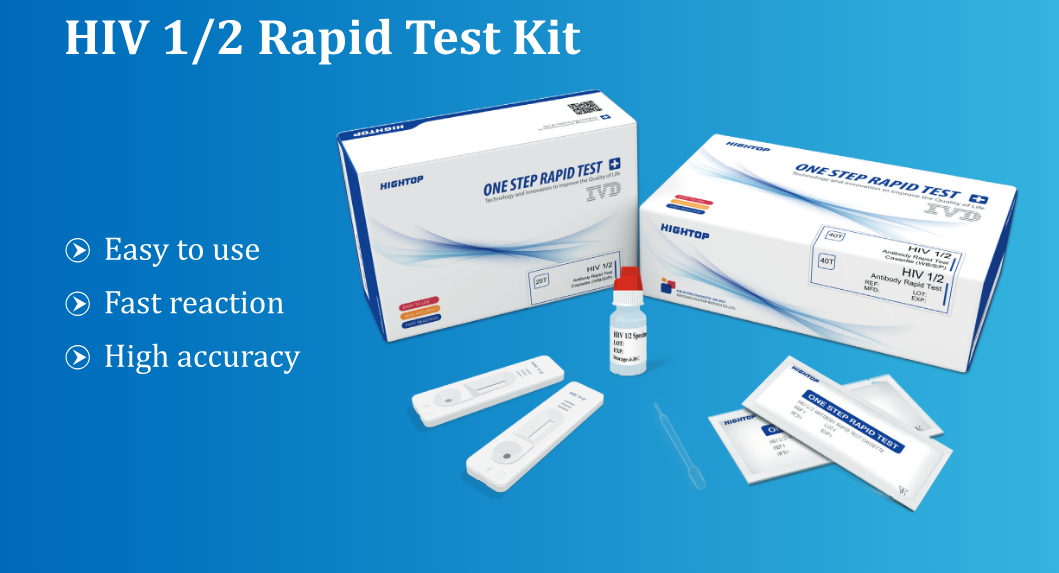
How Does a Rapid HIV Test Kit Work?
Although designs vary among manufacturers, most rapid HIV test kits operate using the same basic principles:
1. Sample Collection
The user provides either:
A finger-prick blood sample, or
Oral mucosal fluid (not saliva, but the fluid along the gums).
2. Reacting With Test Chemicals
The sample is placed on the test cassette, where it interacts with reagents designed to detect:
HIV-1 antibodies
HIV-2 antibodies
In some kits, the p24 antigen (an early-stage HIV marker)
3. Result Display
After a short waiting period, usually 10–20 minutes, lines appear on the strip:
One control line = Test is valid and negative
Two lines = Preliminary positive result
No control line = Invalid test
A positive screening result must always be confirmed by a laboratory test following national guidelines.
Although designs vary among manufacturers, most rapid HIV test kits operate using the same basic principles:
1. Sample Collection
The user provides either:
A finger-prick blood sample, or
Oral mucosal fluid (not saliva, but the fluid along the gums).
2. Reacting With Test Chemicals
The sample is placed on the test cassette, where it interacts with reagents designed to detect:
HIV-1 antibodies
HIV-2 antibodies
In some kits, the p24 antigen (an early-stage HIV marker)
3. Result Display
After a short waiting period, usually 10–20 minutes, lines appear on the strip:
One control line = Test is valid and negative
Two lines = Preliminary positive result
No control line = Invalid test
A positive screening result must always be confirmed by a laboratory test following national guidelines.
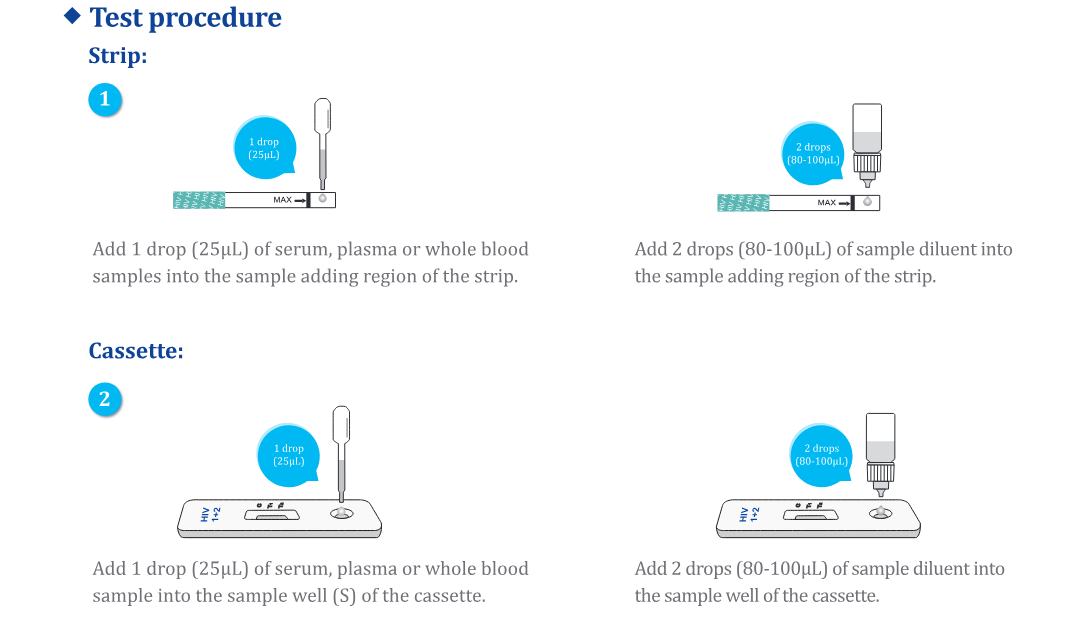
Advantages of Using an HIV Rapid Test Kit
The popularity of rapid HIV test kits is not accidental. Their benefits make them ideal for wide screening and personal use.
1. Fast and Convenient
Results are available within minutes, making the rapid HIV test kit suitable for emergency cases, outreach programs, and home environments.
2. Easy to Operate
Most kits require only a few simple steps. No special training or medical background is needed, which is why the HIV rapid test kit is commonly used in community health initiatives.
3. High Accuracy
Quality-approved kits deliver accuracy levels above 99% when used during the window period recommended by the manufacturer.
4. Accessible and Private
People can test themselves discreetly at home, which helps reduce barriers related to stigma and time constraints.
5. Cost-Effective
Compared to laboratory testing, many rapid kits are affordable, making the HIV rapid test kit practical for large-scale screening in clinics and NGOs.
The popularity of rapid HIV test kits is not accidental. Their benefits make them ideal for wide screening and personal use.
1. Fast and Convenient
Results are available within minutes, making the rapid HIV test kit suitable for emergency cases, outreach programs, and home environments.
2. Easy to Operate
Most kits require only a few simple steps. No special training or medical background is needed, which is why the HIV rapid test kit is commonly used in community health initiatives.
3. High Accuracy
Quality-approved kits deliver accuracy levels above 99% when used during the window period recommended by the manufacturer.
4. Accessible and Private
People can test themselves discreetly at home, which helps reduce barriers related to stigma and time constraints.
5. Cost-Effective
Compared to laboratory testing, many rapid kits are affordable, making the HIV rapid test kit practical for large-scale screening in clinics and NGOs.
Who Should Use a Rapid HIV Test Kit?
HIV testing is recommended for:
Individuals with new or multiple sexual partners
Pregnant women
People who share needles
Individuals in high-risk environments
Partners of HIV-positive individuals
The rapid HIV test kit is especially suitable for those who want to screen themselves regularly or cannot easily access healthcare services.
HIV testing is recommended for:
Individuals with new or multiple sexual partners
Pregnant women
People who share needles
Individuals in high-risk environments
Partners of HIV-positive individuals
The rapid HIV test kit is especially suitable for those who want to screen themselves regularly or cannot easily access healthcare services.
Understanding the Window Period of HIV Rapid Test Kit
Although rapid tests are highly accurate, timing matters.
The window period is the time between HIV exposure and when the body produces enough antibodies or antigens to be detected.
Typical window period:
Antibody-only tests: 3–12 weeks
Antigen/antibody combination tests: 2–6 weeks
If someone uses an HIV rapid test kit too soon after exposure, the result may be negative even if infection occurred. Retesting is recommended after the window period.
Although rapid tests are highly accurate, timing matters.
The window period is the time between HIV exposure and when the body produces enough antibodies or antigens to be detected.
Typical window period:
Antibody-only tests: 3–12 weeks
Antigen/antibody combination tests: 2–6 weeks
If someone uses an HIV rapid test kit too soon after exposure, the result may be negative even if infection occurred. Retesting is recommended after the window period.
How to Choose the Right Rapid HIV Test Kit
When selecting a rapid HIV test kit, consider the following factors:
1. Regulatory Approval
Check whether the kit is approved by health authorities such as:
WHO Prequalification
FDA / CE certification
Local Ministry of Health
These approvals ensure the kit meets quality and accuracy standards.
2. Type of Sample
Some users prefer blood-based kits for higher sensitivity, while others choose oral-fluid kits for their painless and needle-free experience.
3. Detection Method
A combination antigen/antibody kit can detect HIV earlier than an antibody-only kit.
4. Ease of Use
Clear instructions, diagrams, and simple procedures help reduce user error.
5. Storage and Shelf Life
Choose a kit that fits your testing environment—some kits work better in outdoor or mobile testing conditions.
When selecting a rapid HIV test kit, consider the following factors:
1. Regulatory Approval
Check whether the kit is approved by health authorities such as:
WHO Prequalification
FDA / CE certification
Local Ministry of Health
These approvals ensure the kit meets quality and accuracy standards.
2. Type of Sample
Some users prefer blood-based kits for higher sensitivity, while others choose oral-fluid kits for their painless and needle-free experience.
3. Detection Method
A combination antigen/antibody kit can detect HIV earlier than an antibody-only kit.
4. Ease of Use
Clear instructions, diagrams, and simple procedures help reduce user error.
5. Storage and Shelf Life
Choose a kit that fits your testing environment—some kits work better in outdoor or mobile testing conditions.

How to Use a Rapid HIV Test Kit: Step-by-Step Guide
While specific instructions vary, most kit procedures include:
1.Wash hands and prepare a clean testing area.
2.Collect the sample using the lancet or oral swab provided.
3.Place the sample in the designated area on the test device.
4.Add buffer solution as instructed.
5.Wait for 10–20 minutes without disturbing the test.
6.Read the results according to the control and test lines.
Always dispose of testing materials safely.
While specific instructions vary, most kit procedures include:
1.Wash hands and prepare a clean testing area.
2.Collect the sample using the lancet or oral swab provided.
3.Place the sample in the designated area on the test device.
4.Add buffer solution as instructed.
5.Wait for 10–20 minutes without disturbing the test.
6.Read the results according to the control and test lines.
Always dispose of testing materials safely.
Rapid HIV test kits are among the most important diagnostic tools for the early detection of HIV infection. Accurate, rapid, and easy to use, they empower individuals to take control of their health while supporting global efforts to reduce HIV transmission. Whether used in clinics or at home, rapid HIV test kits provide a reliable and convenient solution for widespread HIV screening. Anton Medical, as a manufacturer and supplier of medical testing reagents, continuously provides various testing kits to hospitals and laboratories worldwide, offering competitive prices and after-sales service.
The Advantages of Anton Dental Chairs
How Much is a Hospital Bed?
Related Article
Learn how urine test strips help detect urinary tract infections (UTI). Discover how urinalysis dipstick and urine reagent strips identify key urine strip test parameters such as leukocytes and nitrite.
How Urinalysis Dipstick Helps Identify Urinary Tract Infections
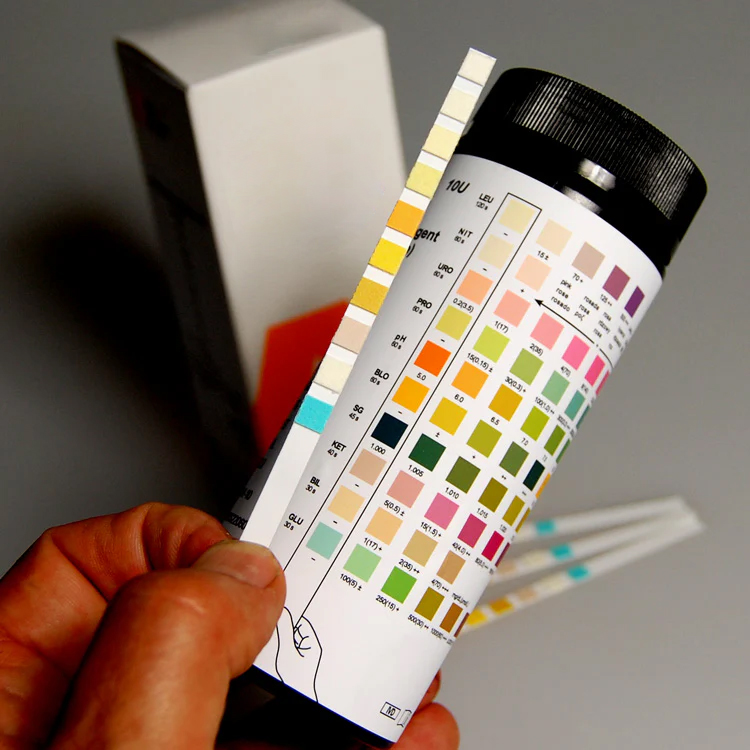
Compare urinalysis dipstick testing with laboratory urine tests. Learn how urine reagent strips work, what urine strip test parameters detect, and how a reliable urinalysis strips manufacturer ensures testing accuracy.
Urinalysis Dipstick vs Laboratory Urine Test: Which Is More Accurate?

