
What is Hematology Analyzer?
author: Antonmed
2025-12-21
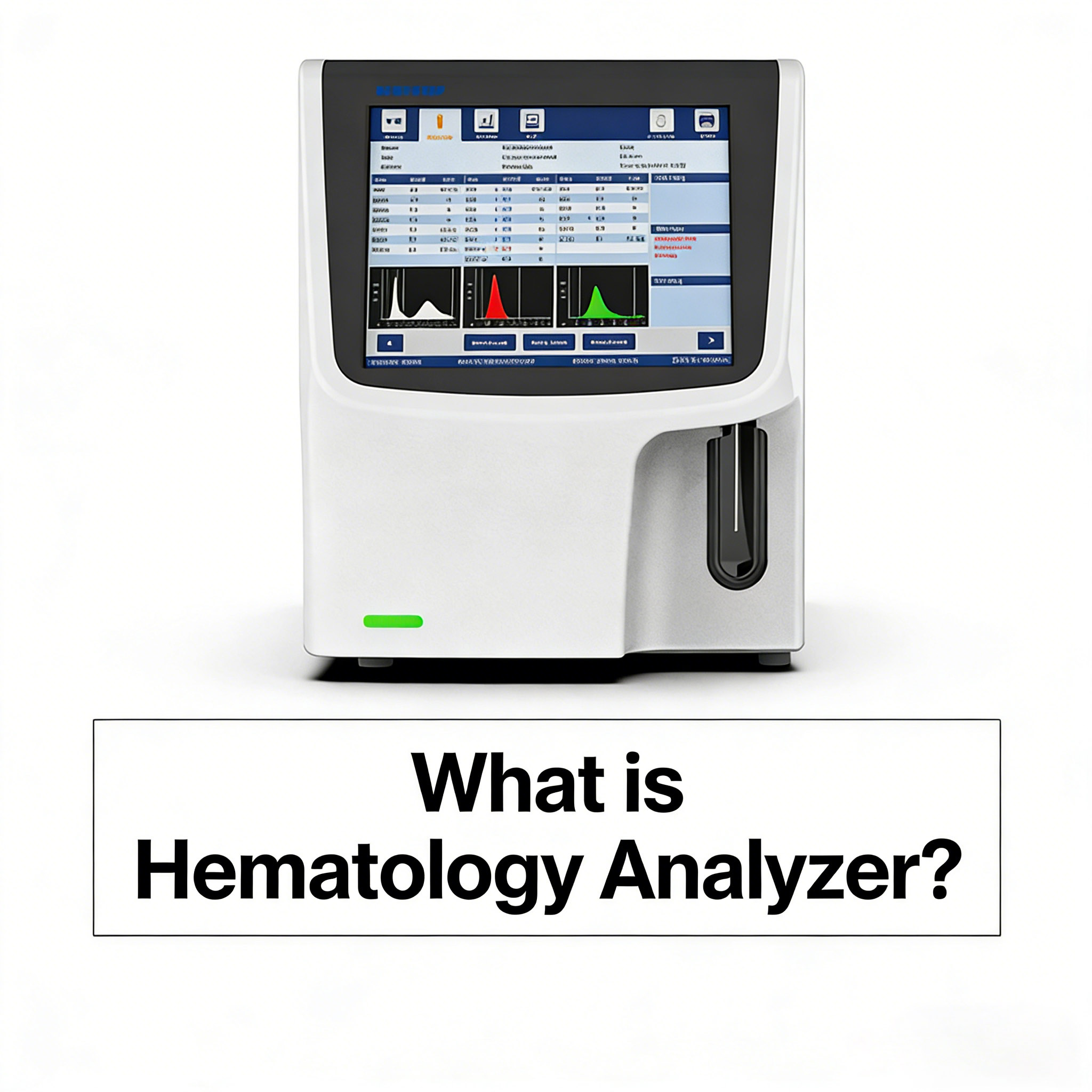
An automated hematology analyzer is one of the most essential diagnostic instruments in modern laboratories. Used for routine and advanced complete blood count (CBC) testing, it delivers fast, accurate, and standardized blood analysis for hospitals, diagnostic laboratories, clinics, and medical centers worldwide.
Compared with manual microscopy, automated hematology analyzers require far less operator involvement while delivering consistent, reproducible results. They are designed to handle high daily testing volumes efficiently, significantly reducing human error and labor costs. Owing to these advantages, automated hematology analyzers have become essential, standard equipment in modern clinical laboratories.
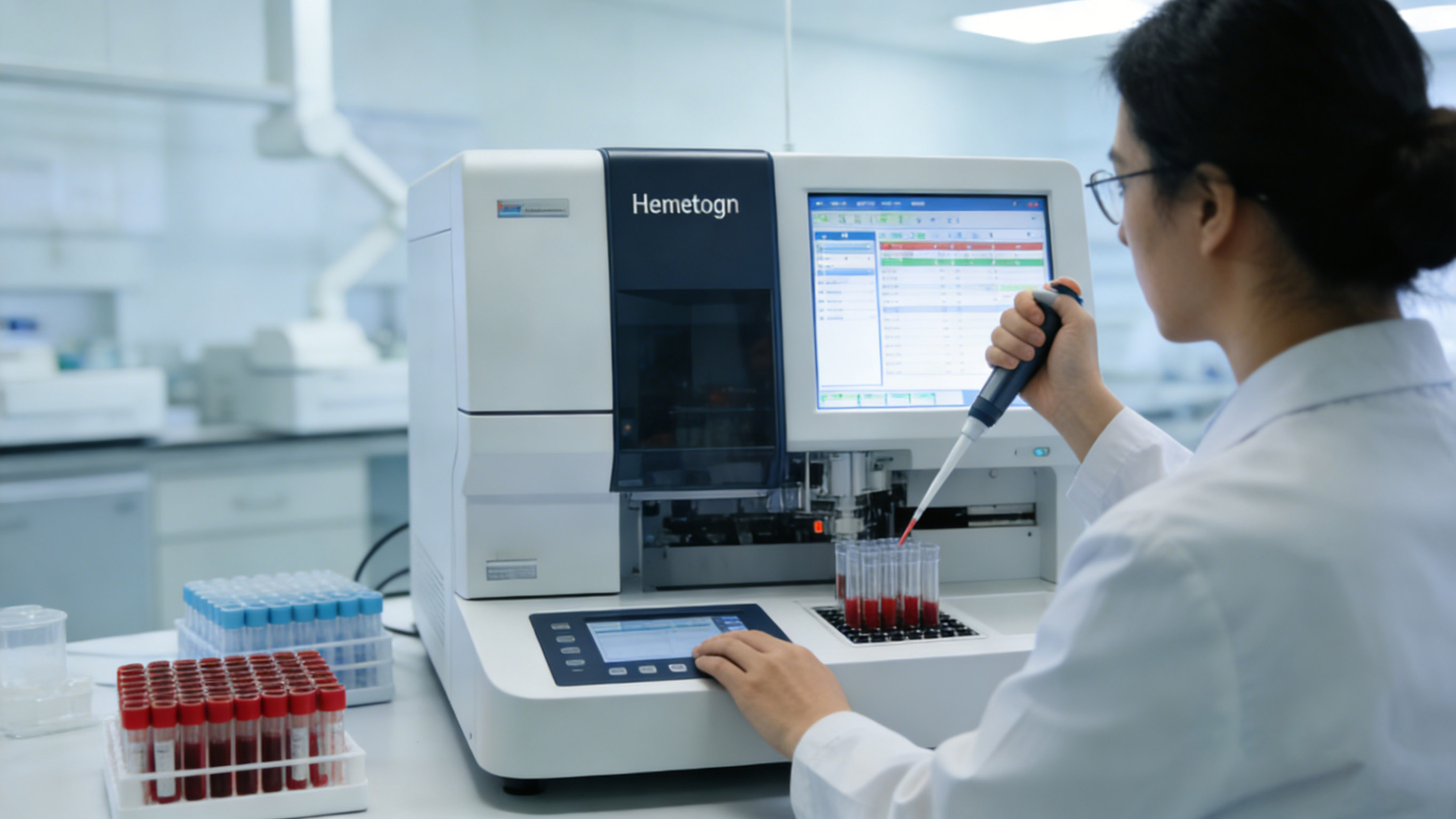
Why Automated Hematology Analyzers Are Essential in Modern Labs
CBC testing is one of the most frequently ordered laboratory tests worldwide. It plays a critical role in:
- Infection detection
-Anemia diagnosis
- Inflammatory disease monitoring
- Oncology and chronic disease management
- Automation ensures laboratories can meet increasing test volumes without compromising accuracy.
- Infection detection
-Anemia diagnosis
- Inflammatory disease monitoring
- Oncology and chronic disease management
- Automation ensures laboratories can meet increasing test volumes without compromising accuracy.
How an Automated Hematology Analyzer Works
Although internal technology varies by model, most automated hematology analyzers follow the same workflow:
1. Sample Aspiration
A precise volume of whole blood is automatically aspirated from the collection tube.
2. Sample Dilution and Reagent Mixing
The analyzer mixes the sample with specific reagents to prepare cells for measurement.
3. Cell Detection and Measurement
Cells are analyzed using one or more detection technologies:
Electrical impedance for cell counting and sizing
Optical or laser-based methods for differentiation
Flow cytometry principles in advanced analyzers
4. Data Processing and Flagging
Built-in software analyzes results, applies algorithms, and flags abnormal values.
5. Result Output and Connectivity
Results are displayed on-screen, printed, or transmitted to LIS/HIS systems via HL7 or other interfaces
Although internal technology varies by model, most automated hematology analyzers follow the same workflow:
1. Sample Aspiration
A precise volume of whole blood is automatically aspirated from the collection tube.
2. Sample Dilution and Reagent Mixing
The analyzer mixes the sample with specific reagents to prepare cells for measurement.
3. Cell Detection and Measurement
Cells are analyzed using one or more detection technologies:
Electrical impedance for cell counting and sizing
Optical or laser-based methods for differentiation
Flow cytometry principles in advanced analyzers
4. Data Processing and Flagging
Built-in software analyzes results, applies algorithms, and flags abnormal values.
5. Result Output and Connectivity
Results are displayed on-screen, printed, or transmitted to LIS/HIS systems via HL7 or other interfaces
Key Features of Automated Hematology Analyzers
Accurate and Repeatable Results
Accurate and Repeatable Results
Automated systems minimize operator variability, improving diagnostic reliability across shifts and users.
High Throughput Capacity
Depending on the model, analyzers can process:
Low-volume clinics: 20–60 tests/hour
Mid-size labs: 60–120 tests/hour
High-volume hospitals: 120+ tests/hour
Integrated Quality Control
Most automated hematology analyzers include:
QC data storage
Calibration reminders
Abnormal result flagging
LIS/HIS Connectivity
Seamless integration with laboratory information systems improves workflow efficiency and reduces transcription errors.
Types of Automated Hematology Analyzers
3-Part Automated Hematology Analyzers
3-Part Automated Hematology Analyzers
Basic WBC differentiation
Lower cost and simpler operation
Suitable for clinics, outpatient centers, and small labs
Advanced WBC differential (neutrophils, lymphocytes, monocytes, eosinophils, basophils)
Higher diagnostic accuracy
Commonly used in hospitals and reference laboratories

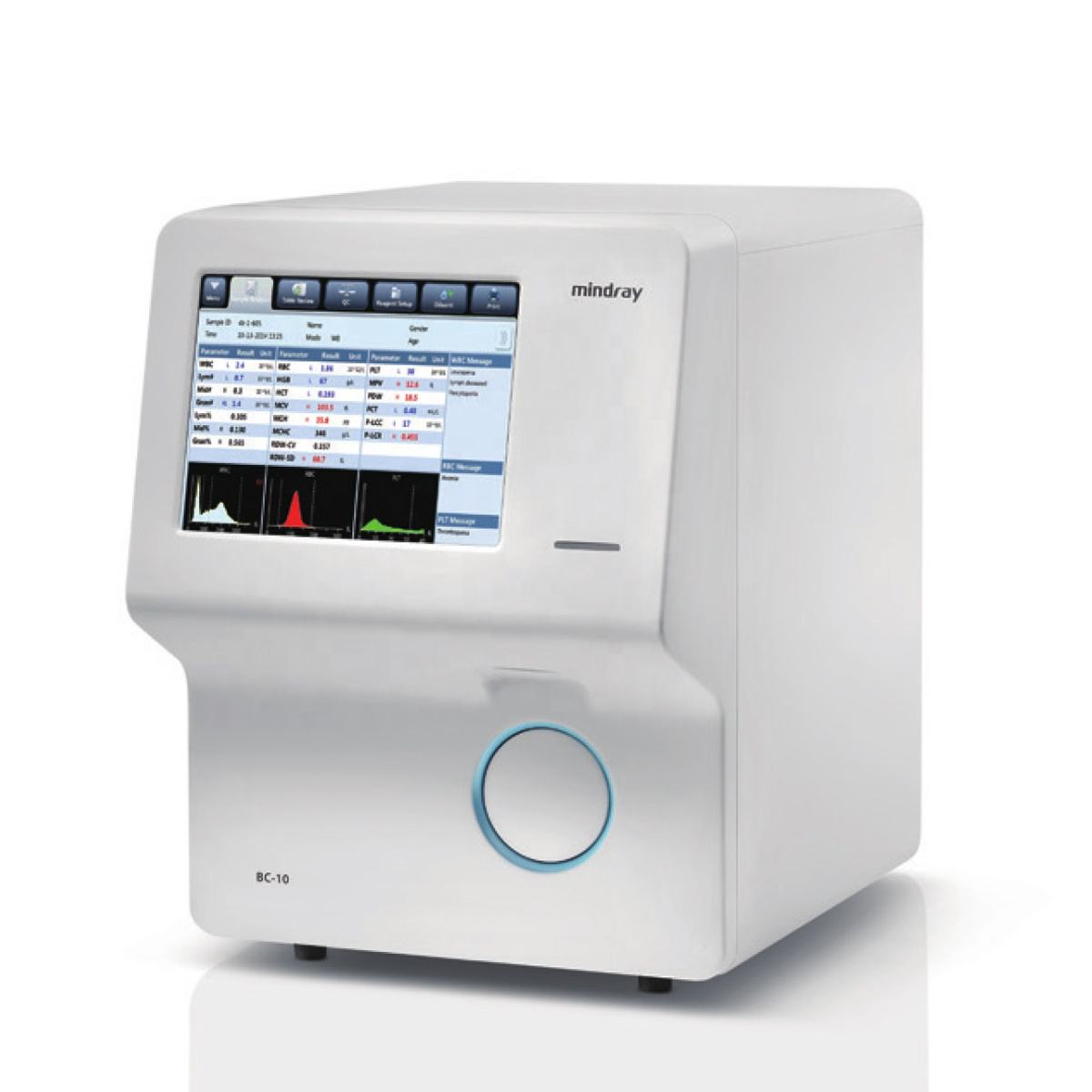
Benefits of Automated Hematology Analyzers for Medical Facilities
- Faster Turnaround Time
- Faster Turnaround Time
Automation significantly reduces result delivery time, supporting faster clinical decisions.
- Reduced Labor Costs
One analyzer can replace multiple manual workflows, reducing staffing pressure.
- Improved Patient Safety
Consistent and accurate results lower the risk of diagnostic errors.
- Scalable Performance
Automated hematology analyzers support future growth as testing volumes increase.
Applications of Automated Hematology Analyzers
- Automated hematology analyzers are widely used in:
- Hospitals and medical centers
- Independent diagnostic laboratories
- Clinics and outpatient facilities
- Emergency departments
- Research and veterinary laboratories
- Their versatility makes them a core component of modern diagnostic infrastructure.
- Automated hematology analyzers are widely used in:
- Hospitals and medical centers
- Independent diagnostic laboratories
- Clinics and outpatient facilities
- Emergency departments
- Research and veterinary laboratories
- Their versatility makes them a core component of modern diagnostic infrastructure.
An automated hematology analyzer is a long-term investment in laboratory efficiency, diagnostic accuracy, and patient care. The right system should align with your clinical needs, testing volume, budget, and regulatory requirements.
Which Rapid Test Should You Choose?
The Advantages of Anton Dental Chairs
Related Article
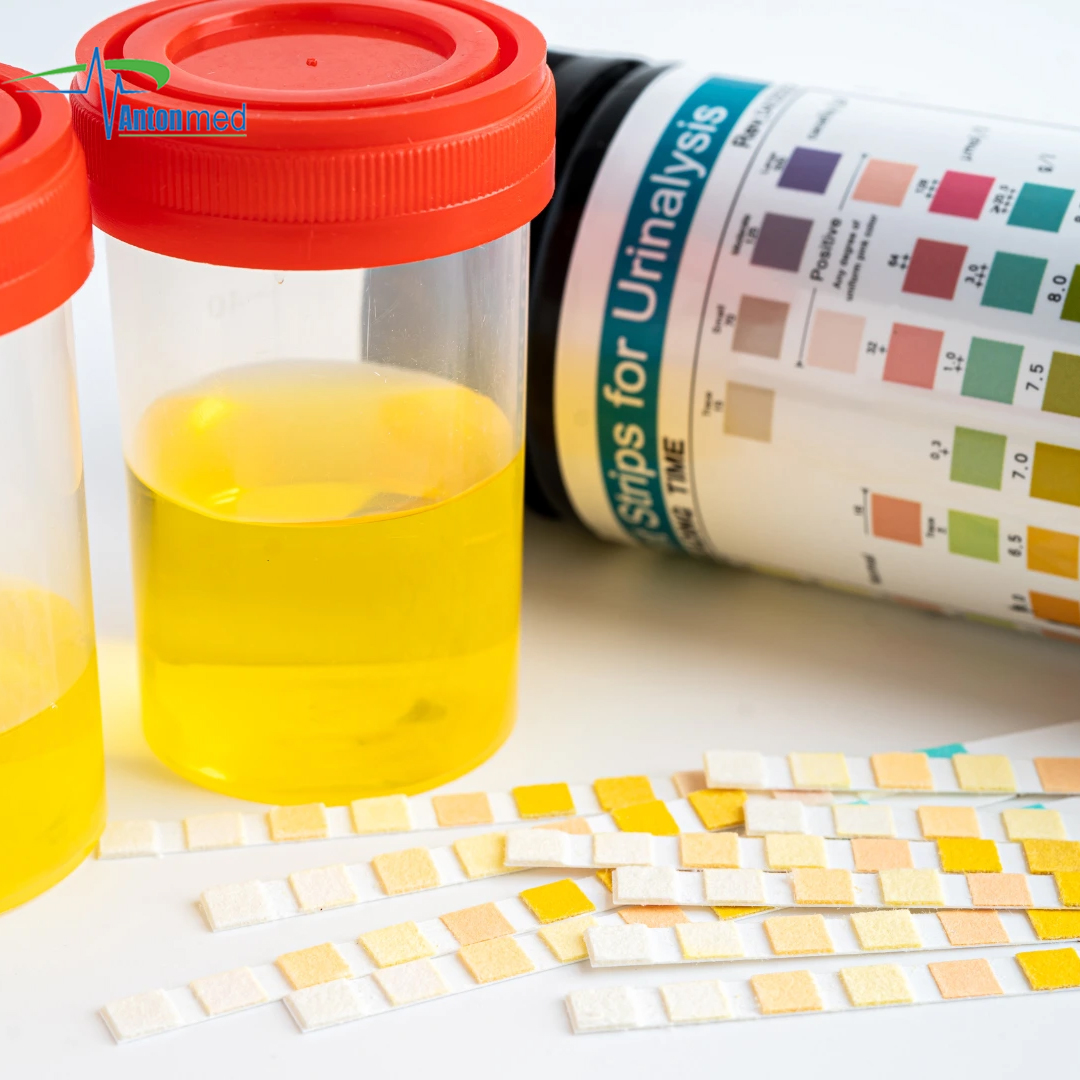
Learn how urine test strips help detect urinary tract infections (UTI). Discover how urinalysis dipstick and urine reagent strips identify key urine strip test parameters such as leukocytes and nitrite.
How Urinalysis Dipstick Helps Identify Urinary Tract Infections
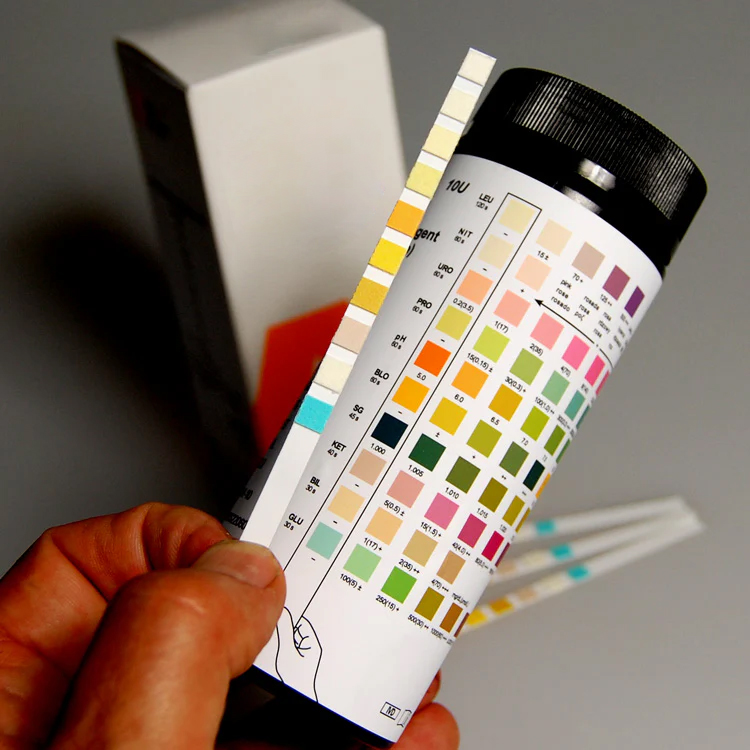
Compare urinalysis dipstick testing with laboratory urine tests. Learn how urine reagent strips work, what urine strip test parameters detect, and how a reliable urinalysis strips manufacturer ensures testing accuracy.
Urinalysis Dipstick vs Laboratory Urine Test: Which Is More Accurate?

