
How to Choose the Right Hospital Bed?
author: Antonmed
2025-11-30
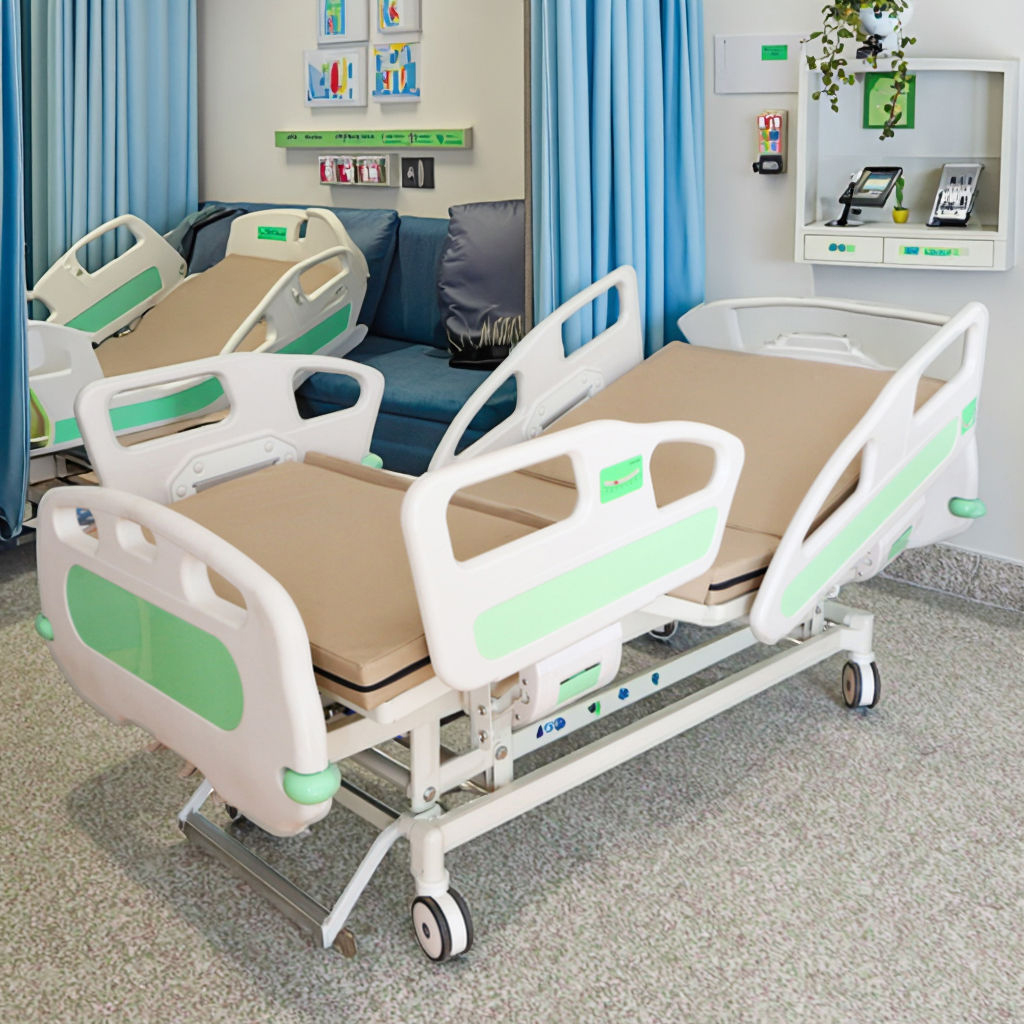
What Is a Hospital Bed?
A hospital bed is a specialized type of bed designed for patients in medical environments. Unlike standard beds, these beds can be adjusted in various ways to accommodate the medical needs of the patient. Whether it’s raising or lowering the bed, adjusting the head or foot sections, or even tilting the entire bed, hospital beds provide flexibility to caregivers and comfort to patients.
Hospital beds can come in manual, semi-electric, and full electric models, with each offering a different level of adjustment and convenience.
A hospital bed is a specialized type of bed designed for patients in medical environments. Unlike standard beds, these beds can be adjusted in various ways to accommodate the medical needs of the patient. Whether it’s raising or lowering the bed, adjusting the head or foot sections, or even tilting the entire bed, hospital beds provide flexibility to caregivers and comfort to patients.
Hospital beds can come in manual, semi-electric, and full electric models, with each offering a different level of adjustment and convenience.

The Rise of Electric Hospital Beds
Electric hospital beds have become increasingly popular in medical settings due to their enhanced functionality, ease of use, and ability to improve patient care. Unlike manual hospital beds that require physical effort to adjust, electric hospital beds rely on motors to make adjustments, which can be controlled by either the patient or caregiver.
Electric hospital beds have become increasingly popular in medical settings due to their enhanced functionality, ease of use, and ability to improve patient care. Unlike manual hospital beds that require physical effort to adjust, electric hospital beds rely on motors to make adjustments, which can be controlled by either the patient or caregiver.
For patients with limited mobility, those recovering from surgery, or individuals with chronic health conditions, an electric hospital bed offers unparalleled comfort and convenience. Patients can adjust the bed’s position without the need for assistance, allowing them to find a comfortable resting position, change their posture frequently to prevent bedsores, or elevate their legs to reduce swelling or improve circulation.
For caregivers, electric hospital beds simplify the process of repositioning patients, which can reduce the physical strain of providing care. These beds are also equipped with features that promote safety, such as side rails that can be raised or lowered to prevent falls, and controls that allow for easy customization of the bed's settings.
What are the differences between electric hospital beds and regular hospital beds?
A full electric hospital bed takes the functionality of an electric hospital bed to the next level. While an electric hospital bed typically allows for the adjustment of the head and foot positions, a full electric hospital bed offers even more features, with motorized control for raising or lowering the entire bed height as well.
This means that caregivers can adjust the height of the bed to make it easier to care for patients—whether that means lowering the bed for a more accessible height for caregivers or raising it for easier access to medical equipment or diagnostics. This feature is especially beneficial in long-term care environments where caregivers need to assist patients frequently, or when patients have severe mobility limitations.
Full electric hospital beds provide a complete range of adjustments for maximum comfort and therapeutic benefit. They allow patients to adjust their position to any angle, making them ideal for people recovering from surgery or dealing with conditions like arthritis, respiratory problems, or pressure ulcers. For elderly patients who may be bedridden, a full electric hospital bed offers a level of independence and comfort that is not possible with a manual bed.


Key Benefits of Electric and Full Electric Hospital Beds
1. Enhanced Comfort and Support
1. Enhanced Comfort and Support
The main advantage of both electric hospital beds and full electric hospital beds is the level of comfort they provide. With the ability to adjust the head, foot, and overall height of the bed, patients can find a position that helps alleviate pain, improve circulation, and reduce discomfort associated with long periods of bed rest.
Patients with conditions like sleep apnea, asthma, or acid reflux benefit from being able to elevate the head of the bed to improve breathing and digestion. On the other hand, those recovering from surgery can use the adjustable features to maintain a position that promotes healing.
2. Easier Care for Caregivers
For caregivers, adjusting the bed can be a strenuous task, especially when caring for patients with limited mobility. Electric hospital beds reduce the physical strain on caregivers by allowing them to make adjustments with the press of a button, rather than manually adjusting the bed’s position.
With a full electric hospital bed, caregivers can adjust the bed's height for easier access and to avoid unnecessary bending or lifting. This is crucial for caregivers who may have multiple patients to attend to or for those who care for patients with special needs who require frequent repositioning.
3. Preventing Bedsores and Pressure Ulcers
One of the most significant concerns for bedridden patients is the risk of developing bedsores or pressure ulcers, which can occur when a patient stays in one position for too long. By being able to adjust the bed to a variety of angles, electric hospital beds make it easy for patients to change positions and reduce pressure on sensitive areas of the body.
Full electric hospital beds offer even more flexibility, allowing for precise adjustments to prevent skin breakdown. By varying the angle of the head and foot sections of the bed, patients can relieve pressure from key areas, such as the heels, lower back, and shoulders, which are more prone to ulcers.
4. Improved Safety
Safety is a primary concern in any healthcare setting, and electric hospital beds provide a range of features designed to reduce risks. Many electric beds come with side rails, which can be raised to prevent patients from accidentally rolling out of bed. These side rails can also be lowered when needed to assist with getting in or out of bed.
Additionally, full electric hospital beds offer motorized controls that can be locked to prevent unauthorized or accidental adjustments. This is especially important in environments where patients may be confused or disoriented and could inadvertently change the bed settings without assistance.
5. Convenience for Home Use
While electric hospital beds are commonly found in hospitals and nursing homes, they are also becoming popular for home care. For individuals recovering from surgery or those with chronic conditions requiring long-term care, having an electric hospital bed at home offers greater comfort and independence. These beds can be adjusted to suit the patient’s needs and reduce the need for caregivers to provide constant assistance.
Many models of electric hospital beds are designed to fit into a standard home bedroom, so patients can enjoy a hospital-like level of care while remaining in the comfort of their own home. The added convenience of easy adjustment controls also means that patients can regain some autonomy in their recovery process.
How Much is a Hospital Bed?
How to Choose the Right Digital Radiography Machine
Related Article

Learn how urine test strips help detect urinary tract infections (UTI). Discover how urinalysis dipstick and urine reagent strips identify key urine strip test parameters such as leukocytes and nitrite.
How Urinalysis Dipstick Helps Identify Urinary Tract Infections

Compare urinalysis dipstick testing with laboratory urine tests. Learn how urine reagent strips work, what urine strip test parameters detect, and how a reliable urinalysis strips manufacturer ensures testing accuracy.
Urinalysis Dipstick vs Laboratory Urine Test: Which Is More Accurate?

