How to Choose a DOA Reagent Manufacturer
author: Antonmed
2026-08-02
Choosing a DOA (Drugs of Abuse) reagent manufacturer is a decision that extends far beyond comparing quotations or negotiating unit prices. For distributors, healthcare brands, diagnostic laboratories, government procurement agencies, and occupational health service providers, the manufacturer behind a product plays a critical role in determining its long-term reliability and market performance.
A high-quality drug testing reagent is expected to deliver consistent results from batch to batch, meet regulatory requirements in different markets, and remain stable throughout storage and transportation. These factors not only influence testing accuracy but also affect customer satisfaction, brand reputation, and regulatory compliance. In many cases, selecting the wrong supplier can lead to unexpected delays, inconsistent product performance, increased quality complaints, and additional operational costs.
At the same time, the global drug of abuse (DOA) testing market continues to expand. Growing awareness of workplace safety, stricter compliance requirements, increasing concerns over substance abuse, and broader adoption of point-of-care testing (POCT) have all contributed to rising demand for reliable drug screening solutions. Today, DOA testing is routinely used across a wide range of settings, including workplace drug screening, hospitals and emergency departments, rehabilitation centers, forensic laboratories, law enforcement agencies, correctional facilities, schools, and home testing.
As market expectations continue to rise, buyers are placing greater emphasis on product quality, manufacturing consistency, technical support, and supply chain stability rather than focusing solely on price. Choosing the right manufacturing partner is no longer simply a procurement decision—it is a strategic investment that can support regulatory compliance, strengthen customer confidence, and contribute to sustainable business growth over the long term.
Why Choosing the Right Manufacturer Matters
When purchasing DOA reagents, price is often one of the first factors buyers compare. However, experienced distributors and healthcare brands know that the long-term value of a product depends far more on the manufacturer's capabilities than on the initial quotation. A lower purchase price may seem attractive, but inconsistent product performance, delayed deliveries, or inadequate technical support can quickly lead to higher operational costs and reduced customer confidence.
When purchasing DOA reagents, price is often one of the first factors buyers compare. However, experienced distributors and healthcare brands know that the long-term value of a product depends far more on the manufacturer's capabilities than on the initial quotation. A lower purchase price may seem attractive, but inconsistent product performance, delayed deliveries, or inadequate technical support can quickly lead to higher operational costs and reduced customer confidence.
The reliability of a rapid drug test begins long before it reaches the end user. It is built into every stage of the manufacturing process—from raw material selection and antibody screening to production control, quality inspection, and batch validation. Even small variations in these processes can influence the sensitivity, specificity, and consistency of the final product. For organizations involved in workplace drug screening, clinical diagnostics, rehabilitation programs, or forensic applications, maintaining reliable and repeatable test performance is essential.
A dependable DOA reagent manufacturer should be able to maintain consistent product quality across different production batches while ensuring that every test delivers reliable performance under the specified conditions. Equally important is the ability to provide stable production capacity, predictable lead times, and complete technical documentation to support product registration and regulatory compliance in different markets.
Another factor that is sometimes overlooked is technical support. During product registration, market expansion, or after-sales service, buyers often need assistance with performance data, validation reports, packaging customization, or regulatory documentation. Manufacturers with experienced technical teams are usually able to respond more efficiently, helping customers resolve issues before they affect business operations.
For companies planning to establish or expand their own diagnostic product portfolio, choosing a manufacturing partner is ultimately an investment in long-term business development. A supplier with strong quality management, reliable production systems, and continuous technical innovation can provide far greater value than one that competes solely on price. Over time, this partnership helps improve customer satisfaction, strengthens brand reputation, and creates a more resilient supply chain.
Check Manufacturing Experience and Industry Expertise
When selecting a DOA reagent manufacturer, experience should be one of the first factors to evaluate. Manufacturing rapid diagnostic products requires more than production equipment—it depends on years of technical expertise, validated manufacturing processes, and a deep understanding of regulatory requirements across different markets.
When selecting a DOA reagent manufacturer, experience should be one of the first factors to evaluate. Manufacturing rapid diagnostic products requires more than production equipment—it depends on years of technical expertise, validated manufacturing processes, and a deep understanding of regulatory requirements across different markets.
A manufacturer that has been involved in drug of abuse testing for many years is generally better equipped to manage the complexities of product development, quality assurance, and large-scale production. Over time, experienced manufacturers refine their production workflows, optimize raw material selection, and establish strict quality control procedures that help ensure consistent product performance from one production batch to the next.
Another advantage of working with an experienced supplier is the ability to respond to changing market requirements. Regulations, customer expectations, and testing standards continue to evolve worldwide. Manufacturers with extensive industry experience are often more familiar with these changes and can adapt their products and documentation accordingly, helping customers reduce compliance risks when entering new markets.
When comparing potential suppliers, it is worthwhile to look beyond marketing materials and ask practical questions about their manufacturing background and international business experience. For example:
- How many years has the company been manufacturing DOA reagents and rapid diagnostic products?
- What countries or regions do they currently supply, and do they have experience serving international distributors?
- Does their product portfolio include a wide range of drug testing solutions, such as urine drug tests, saliva drug tests, multi-panel drug test cups, and customized testing reagents?
- Can they provide the documentation and technical support required for different regulatory markets?
- Do they continuously invest in research and development to improve product performance and expand their testing menu?
- What countries or regions do they currently supply, and do they have experience serving international distributors?
- Does their product portfolio include a wide range of drug testing solutions, such as urine drug tests, saliva drug tests, multi-panel drug test cups, and customized testing reagents?
- Can they provide the documentation and technical support required for different regulatory markets?
- Do they continuously invest in research and development to improve product performance and expand their testing menu?
The answers to these questions often reveal far more about a manufacturer than a product brochure ever could. A company with long-term manufacturing experience is more likely to have established stable supplier relationships, standardized production management, and comprehensive quality assurance systems. These strengths become particularly valuable when handling large-volume orders, customized OEM projects, or urgent delivery schedules.
Rather than choosing a supplier based solely on price, many successful distributors and healthcare brands place greater emphasis on long-term reliability. An experienced drug testing manufacturer is more likely to become a strategic partner—one that can provide not only dependable products but also technical expertise, regulatory guidance, and ongoing support as your business grows.
Evaluate the Manufacturer's Quality Management System
When sourcing DOA reagents, quality should be considered a prerequisite rather than a competitive advantage. A well-established quality management system helps ensure that every batch performs consistently, reducing the risk of variability that could affect test accuracy or customer confidence.
One practical way to evaluate a manufacturer is to review the certifications and quality standards under which it operates. Manufacturers with internationally recognized quality systems are generally better equipped to control production processes, validate product performance, and meet regulatory requirements across different markets.
For in vitro diagnostic products, certifications such as ISO 13485 demonstrate that the manufacturer follows a quality management system designed specifically for medical devices. Depending on the target market, additional compliance with regulations such as CE marking or Good Manufacturing Practice (GMP) requirements may also be important. Equally worth considering is whether the manufacturer has established internal procedures for raw material inspection, in-process quality control, batch validation, and product traceability.
Rather than viewing certifications as a checklist, buyers should consider them as indicators of how consistently a manufacturer manages quality throughout the entire production cycle. A supplier with robust quality control practices is more likely to deliver reliable products, support regulatory documentation, and maintain stable performance over long-term cooperation.
When sourcing DOA reagents, quality should be considered a prerequisite rather than a competitive advantage. A well-established quality management system helps ensure that every batch performs consistently, reducing the risk of variability that could affect test accuracy or customer confidence.
One practical way to evaluate a manufacturer is to review the certifications and quality standards under which it operates. Manufacturers with internationally recognized quality systems are generally better equipped to control production processes, validate product performance, and meet regulatory requirements across different markets.
For in vitro diagnostic products, certifications such as ISO 13485 demonstrate that the manufacturer follows a quality management system designed specifically for medical devices. Depending on the target market, additional compliance with regulations such as CE marking or Good Manufacturing Practice (GMP) requirements may also be important. Equally worth considering is whether the manufacturer has established internal procedures for raw material inspection, in-process quality control, batch validation, and product traceability.
Rather than viewing certifications as a checklist, buyers should consider them as indicators of how consistently a manufacturer manages quality throughout the entire production cycle. A supplier with robust quality control practices is more likely to deliver reliable products, support regulatory documentation, and maintain stable performance over long-term cooperation.
Assess Product Range and Customization Capabilities
A manufacturer's product portfolio often reflects its technical capabilities and ability to respond to different market demands. While some buyers only require a standard urine drug test, others may be looking for customized solutions tailored to workplace screening, clinical diagnostics, rehabilitation programs, or government procurement projects.
A manufacturer's product portfolio often reflects its technical capabilities and ability to respond to different market demands. While some buyers only require a standard urine drug test, others may be looking for customized solutions tailored to workplace screening, clinical diagnostics, rehabilitation programs, or government procurement projects.
For this reason, it's worth looking beyond a single product when evaluating a supplier. Manufacturers with a broader product line are generally better positioned to support future business expansion and changing customer requirements.
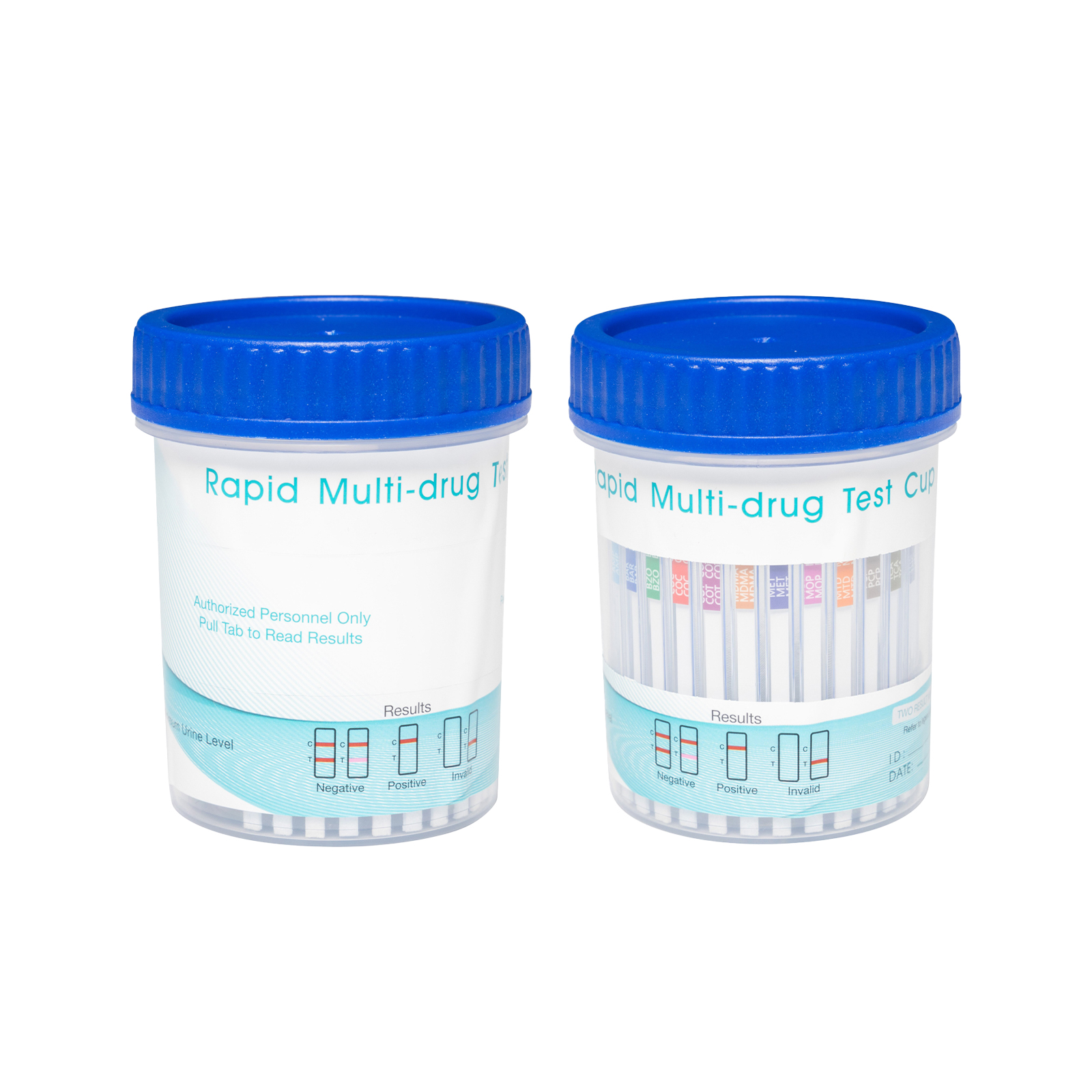
A well-established DOA reagent manufacturer should typically offer a comprehensive range of testing solutions, including single drug test kits, multi-panel drug test cups, dip cards, saliva drug tests, and rapid drug screening reagents. The ability to support multiple drug panels and application scenarios also provides greater flexibility for distributors serving different markets.
Customization is another factor that deserves careful consideration. Many distributors and healthcare brands now prefer products designed specifically for their local markets, whether that involves customized cut-off levels, private label packaging, multilingual instructions for use, or market-specific configurations. Working with a manufacturer that provides flexible OEM and ODM services can shorten product development timelines, simplify regulatory preparation, and help brands establish a more distinctive market presence.
Regulatory Compliance Matters
Regulatory requirements for drug of abuse (DOA) testing products vary from one market to another. Before selecting a DOA reagent manufacturer, it's worth confirming whether the supplier is familiar with the regulatory framework in your target countries and can provide the documentation needed for product registration or customer audits.
Regulatory requirements for drug of abuse (DOA) testing products vary from one market to another. Before selecting a DOA reagent manufacturer, it's worth confirming whether the supplier is familiar with the regulatory framework in your target countries and can provide the documentation needed for product registration or customer audits.
Depending on the market, this documentation may include product specifications, analytical and clinical performance data, stability studies, quality management certificates, and other technical files required by local authorities or distribution partners. Having these materials prepared in advance not only helps streamline the registration process but also reduces delays during product evaluation, import clearance, or tender participation.
For companies expanding into new regions, a manufacturer with regulatory experience can often provide valuable support throughout the compliance process, making market entry more efficient and predictable.
Reliable Supply Is Just as Important as Product Quality
Product quality is often the first factor buyers evaluate, but supply reliability is what determines whether a partnership can succeed over the long term. Even a well-performing product can create operational challenges if shipments are delayed, production capacity is inconsistent, or key materials become unavailable.
When assessing a DOA reagent manufacturer, it is worth looking beyond the product itself. Understanding how the manufacturer manages production planning, raw material procurement, and inventory can provide a clearer picture of its ability to maintain stable deliveries as demand changes. Manufacturers with well-established supply chain management are generally better equipped to handle seasonal fluctuations, urgent orders, and large-volume projects without compromising product quality or delivery schedules.
It is also helpful to discuss practical details such as typical lead times, monthly production capacity, quality release procedures, and contingency plans for unexpected supply chain disruptions. These operational details often reveal more about a manufacturer's reliability than pricing alone.
Ultimately, a dependable manufacturer is one that can consistently deliver quality products on time while adapting to changing market demands. For distributors, healthcare brands, and procurement teams, this level of reliability helps reduce supply risks, improve inventory planning, and build stronger long-term business relationships.
Technical Support Creates Long-Term Value
When evaluating a DOA reagent manufacturer, product quality is only part of the equation. The level of technical support a supplier can provide often becomes increasingly important as projects move from procurement to market launch.
When evaluating a DOA reagent manufacturer, product quality is only part of the equation. The level of technical support a supplier can provide often becomes increasingly important as projects move from procurement to market launch.
A manufacturer with experienced technical and regulatory teams can assist with product documentation, performance data, regulatory submissions, labeling requirements, and other market-specific technical questions. This kind of support helps reduce communication costs, shortens implementation timelines, and enables customers to respond more efficiently to local regulatory requirements.
Beyond documentation, practical support throughout the cooperation process—such as product training, packaging optimization, troubleshooting, and after-sales technical assistance—can make day-to-day collaboration more efficient, especially for distributors introducing new products into unfamiliar markets.
For many distributors and healthcare brands, choosing a manufacturer with responsive technical support is not simply about solving today's questions—it is about building a partnership that can adapt to future market and regulatory changes.
As the global demand for drug of abuse testing continues to expand, manufacturers are expected to provide more than just products—they are expected to offer reliability, innovation, and responsive service.
Antonmed has years of experience in rapid diagnostic manufacturing, providing DOA reagents, urine drug test kits, multi-drug testing products, fertility tests, infectious disease rapid tests, and other POCT solutions to customers worldwide. By combining stringent quality management, flexible OEM/ODM services, and continuous product development, Antonmed supports distributors and healthcare brands in building dependable diagnostic product portfolios for diverse markets.
Choosing a DOA reagent manufacturer is a strategic decision that goes beyond product pricing. By evaluating manufacturing experience, quality systems, regulatory compliance, customization capabilities, supply stability, and technical support, buyers can identify partners capable of supporting long-term growth. A reliable manufacturer not only delivers consistent products but also helps businesses respond to changing market demands with confidence.
How to Choose an hCG Pregnancy Test Manufacturer
Review of Nigerian Customer on July
Related Article

Choosing the right hCG pregnancy test manufacturer involves more than comparing product prices. Buyers should consider test accuracy, quality control, certifications, production capacity, customization options, and long-term supply reliability. This guide explains the key factors to evaluate when selecting an hCG pregnancy test manufacturer for distribution, retail, or private-label business.
How to Choose an hCG Pregnancy Test Manufacturer